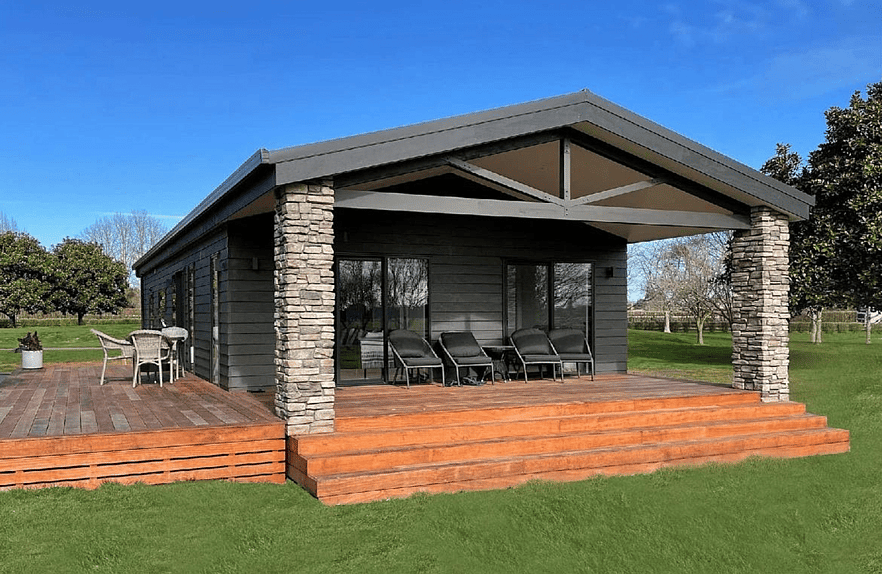
2 BEDROOMLEARN MORE
Transportable Homes NZ Prices: What You'll Actually Pay
If you're comparing transportable homes NZ prices before you've even spoken to a builder, you're not alone - it's usually the first question and the hardest one to get a straight answer to. The short version: independent data puts the average Leisurecom build cost at just over $287,000, but that's the home itself, not everything that gets it liveable on your section. Below is how the numbers actually break down, so you're not caught out later.
What independent data says about transportable home cost in NZ
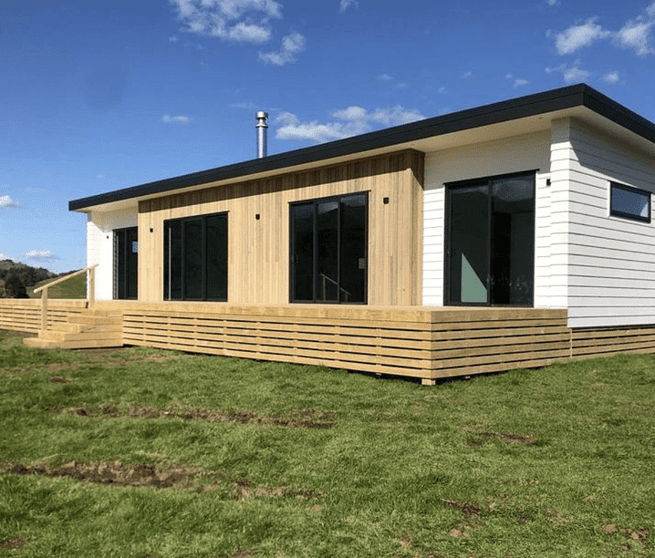
Most builders will quote you a number. Fewer will point you to someone else's numbers to check it against. According to Opes Partners' independent analysis of Building Consent Information (BCI) data from around March 2025, Leisurecom's average build cost sat at approximately $287,429, for an average home size of 129m², across 14 homes consented in the prior 12 months. That's a genuinely useful reference point precisely because it isn't ours - it's third-party data pulled from consent records, not a marketing figure. It confirms what a mid-sized transportable home costs to build in the current market, without anyone rounding in their own favour.
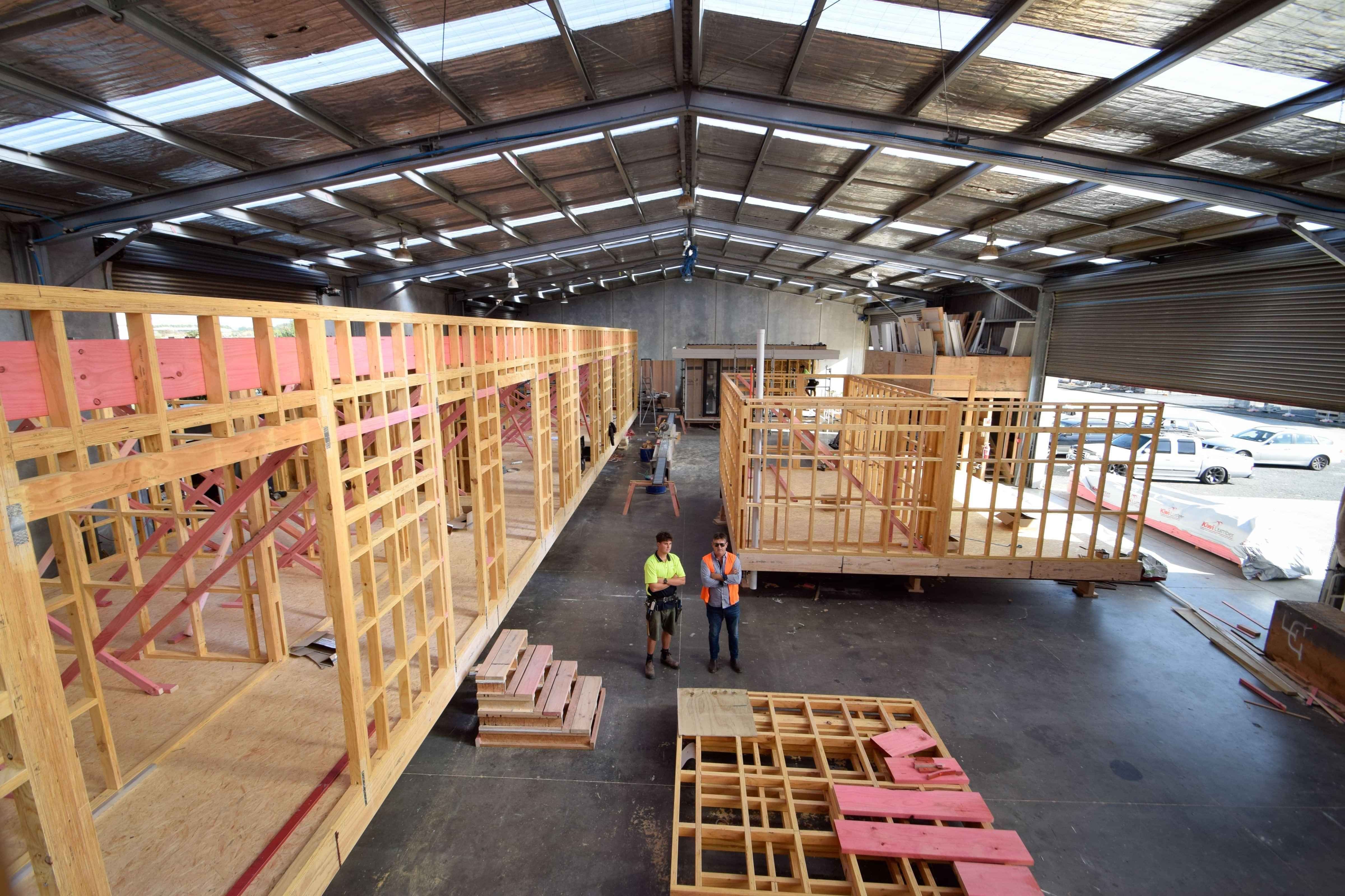
It's worth being precise about what that figure covers, though. It's the build cost - the home as it comes off the factory floor - not the all-in delivered project. That distinction matters more than almost anything else on this page, and it's exactly what trips buyers up.
The real transportable home cost isn't just the build price
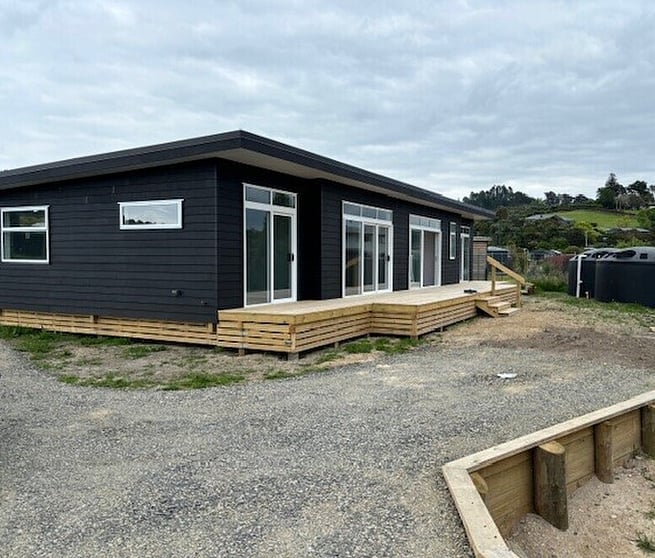
Ask any transportable home buyer what they wish they'd known earlier, and it's usually some version of: "If the home itself is $X, what am I realistically spending in total once it's sited?" Piles, site prep, consent, connections and decks all sit on top of the build price, and they vary enormously depending on your section - a flat, serviced Cambridge section costs a very different amount to prepare than a sloped rural block three hours away. This is where a lot of transportable home cost comparisons go wrong: one company's "from" price includes site works, another's doesn't, and the buyer ends up comparing two completely different things.
Our approach is to walk through every one of those line items with you before you sign anything - piles, drop and set, consent fees, power and water connections, and decking if you want it - so the number you're planning around actually reflects what will land on your section.
Why the price you're quoted is the price you pay
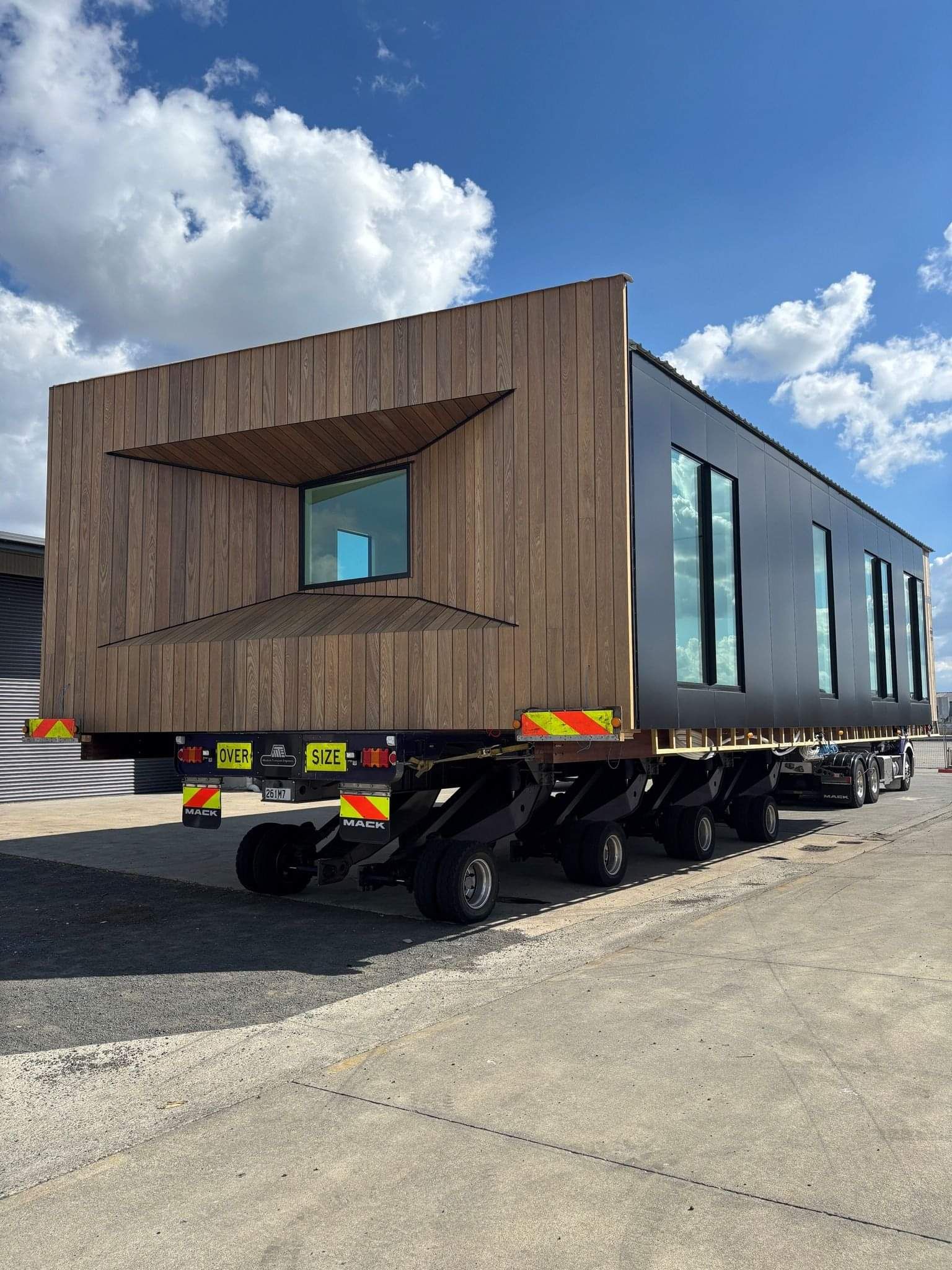
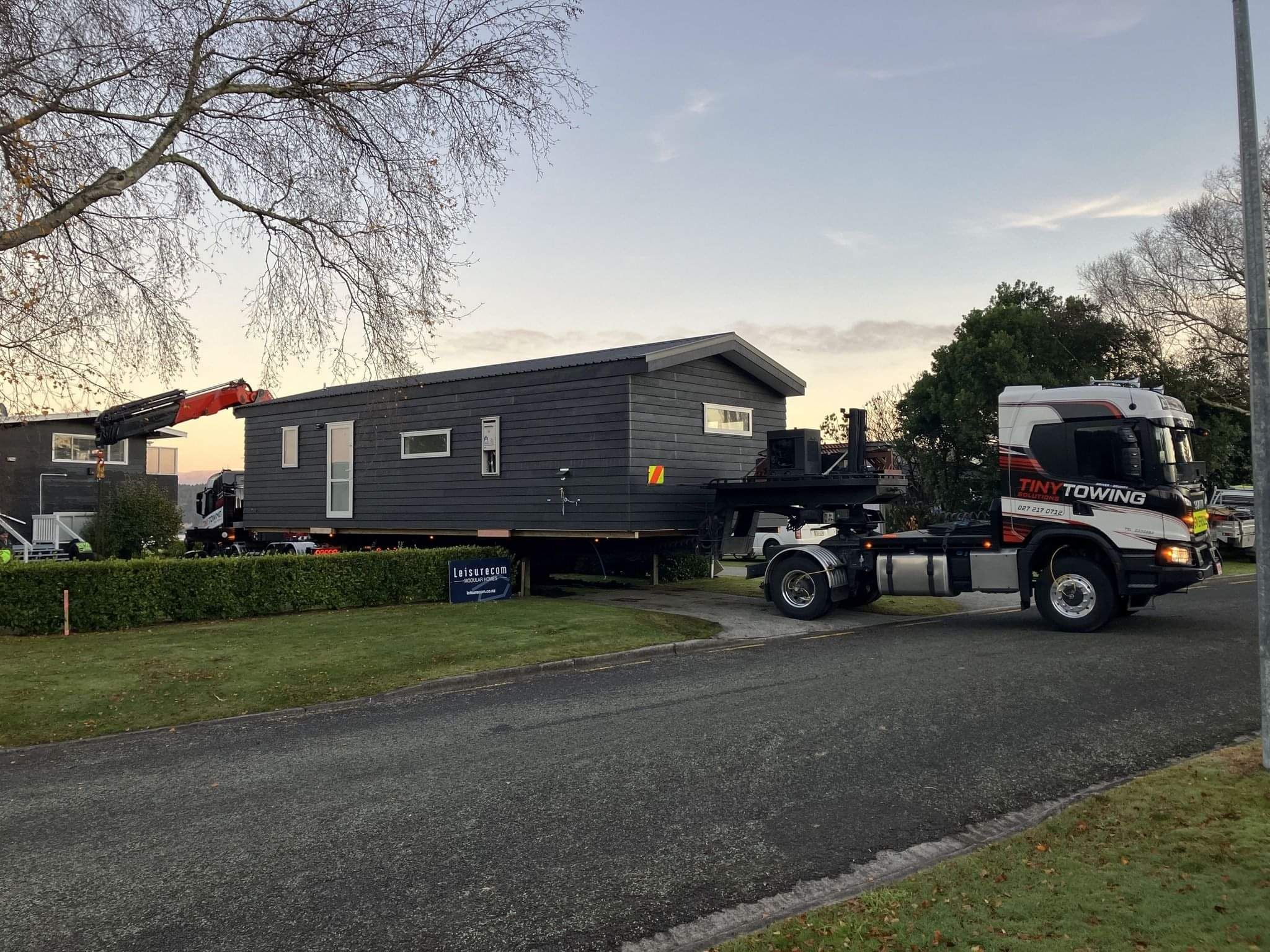
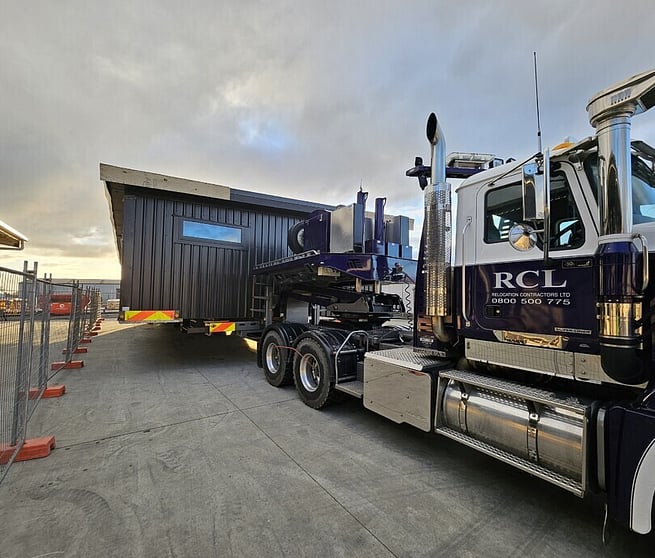
Jacqui Johnston, one of our customers, put it plainly in her review: "Amazing company to deal with in every way. The staff are awesome, the quality of the house is impressive, the price quoted was the price I paid. The whole process from start to finish when the truck delivered the house was so so easy." That last point - no price creep between quote and delivery - is exactly what we mean when we talk about a guaranteed fixed price for your new home, delivered to the gate. Once your contract is signed, the number doesn't move because a supplier's costs went up or a subcontractor found something extra. You've locked it in.
That certainty is worth more than it sounds. Traditional builds are notorious for scope creep and weather-related blowouts; a factory build under shelter removes most of the variables that cause a quote to drift upward over months of construction.
What affects your final transportable home price
A few things move the number more than anything else:
Size and bedroom count - a 2-bedroom home costs meaningfully less than a 4-bedroom, and floor area is the biggest single driver of price
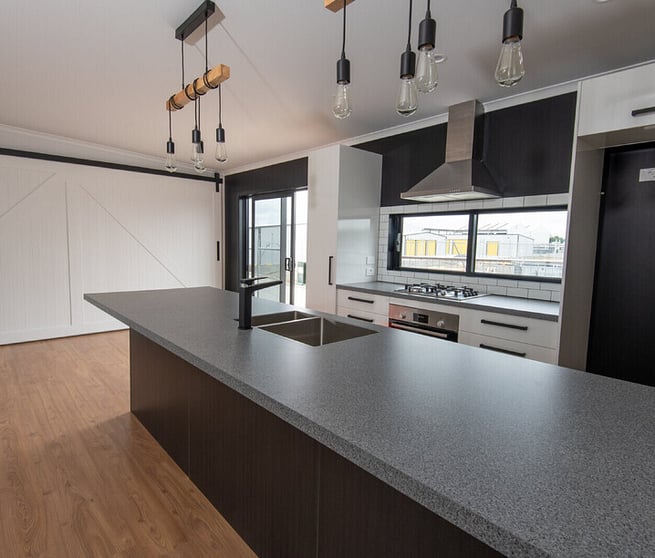
Specification level - kitchen and bathroom fit-out, cladding choice and interior finishes all sit on a spectrum from standard to premium
Site conditions - sloped, rural, or hard-to-access sections cost more in piles and site works than a flat, serviced town section
Consent pathway - your district council's requirements affect both timeline and cost
Connections - how far your site sits from existing power, water and wastewater infrastructure
What to check before you get a quote
Ask whether the quote is build cost only, or all-in including piles, site works and connections
Get a written breakdown of what's fixed once you sign, versus what's still an estimate
Ask what happens if ground conditions turn out different from what was assumed
Check whether consent is handled for you or left to you to manage
Confirm what's included as standard (Leisurecom's three rows of driven piles, for example) versus what's an upgrade
FAQs
Are transportable homes cheaper than a standard build in NZ?
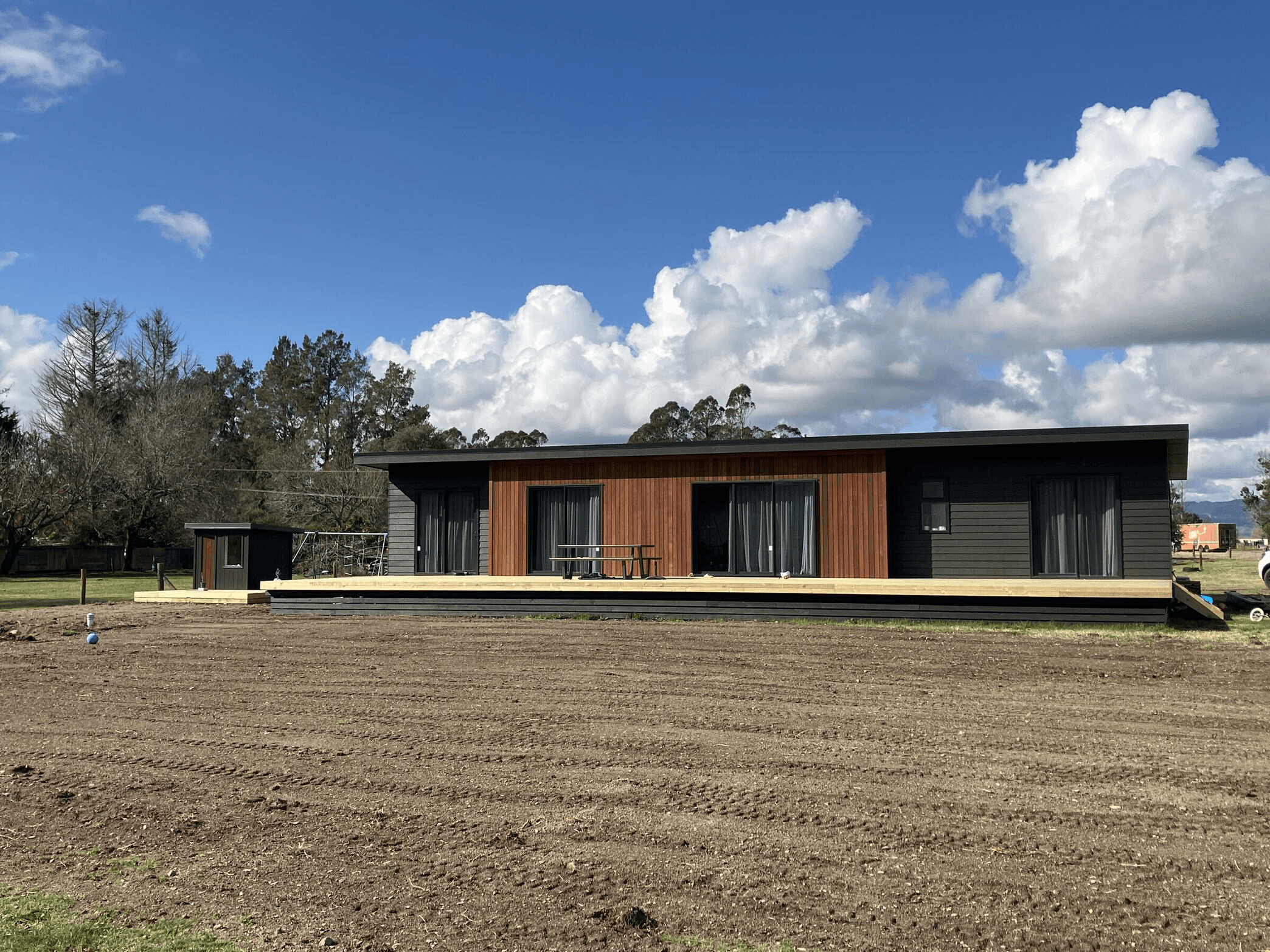
Generally, yes, largely because factory construction removes the weather delays and onsite inefficiencies that push up traditional build costs and timelines. But "cheaper" only holds up if you're comparing like for like - an all-in transportable home price against an all-in site-build price, not a bare build cost against a fully landed figure. The independent BCI data putting Leisurecom's average build at around $287,429 for 129m² gives you a genuine market reference point, but remember that's the home itself. Once you add piles, consent, connections and decking, the gap between transportable and traditional narrows somewhat, though transportable homes still tend to come out ahead because there's far less exposure to the cost overruns that plague onsite builds - weather delays, trade scheduling gaps and materials price rises mid-project. The bigger financial advantage for most buyers isn't just the headline number, it's the certainty: a guaranteed fixed price for your new home, delivered to the gate, agreed before you commit, rather than a budget that creeps as the build drags on.
What's actually included in a transportable home price quote?
This varies more between builders than buyers expect, which is exactly why it causes confusion. At minimum, a proper quote should tell you whether it covers the home only (built and delivered) or the full project (home plus piles, site prep, consent and connections). Ask specifically what's included as standard - at Leisurecom that means three rows of driven piles for better long-term load distribution, factory-built construction under shelter with no weather delays, and a fixed price that doesn't move once you've signed. Ask what counts as an upgrade versus what's baked in, and get consent handling clarified early, since that's one of the most commonly assumed-but-not-confirmed line items. If a quote looks unusually low compared to others you've collected, the difference is almost always in what's excluded, not in the builder being cheaper.
How do I compare transportable home prices between builders fairly?
Line up quotes item by item rather than comparing bottom-line totals. Ask each builder for the same breakdown: build cost, piles and site works, consent, connections, and decking, then compare each line rather than the total. A builder quoting a lower headline figure may simply have excluded site works that another builder included. It's also worth asking what happens if your quote turns out to be wrong once ground conditions or council requirements are confirmed - some builders treat the quote as fixed regardless, others treat it as an estimate that can move. That's the difference between a guaranteed fixed price and a starting estimate, and it matters more to your final transportable home cost than almost any other factor on the page.
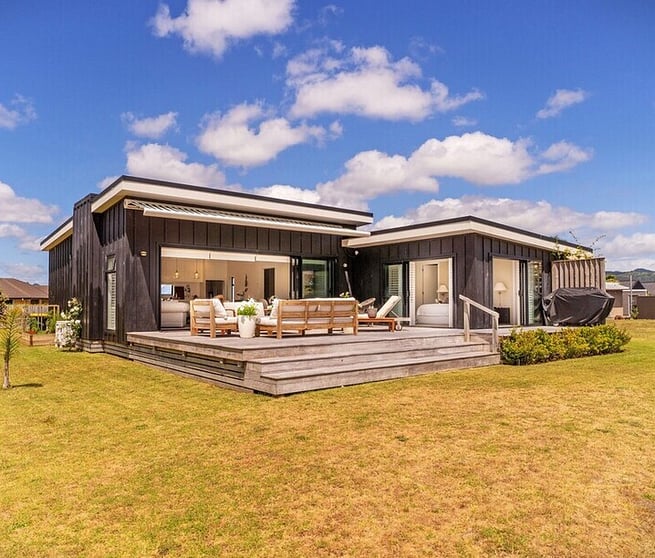
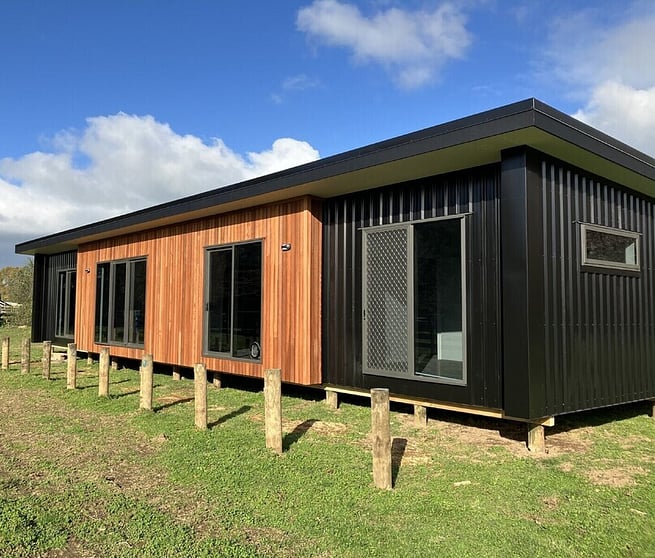
Transportable Designs for Kiwi Terrain
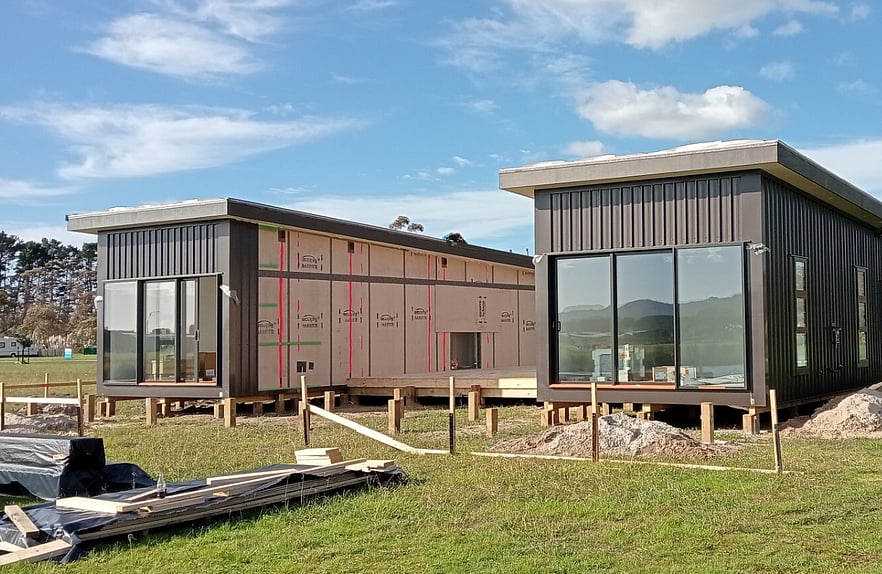
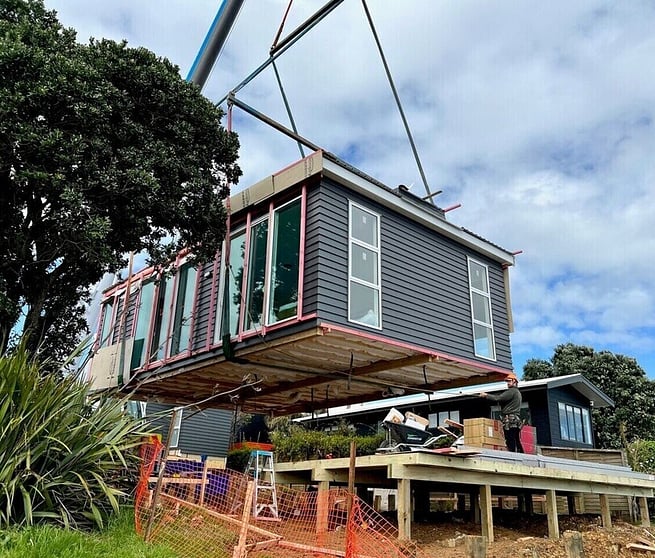
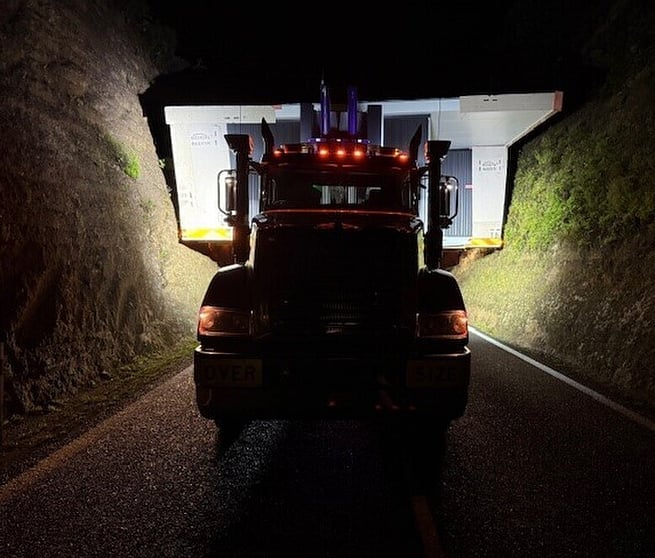
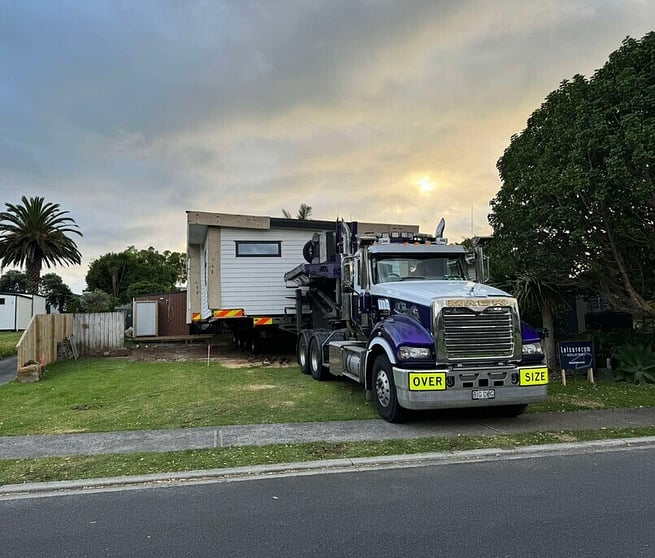
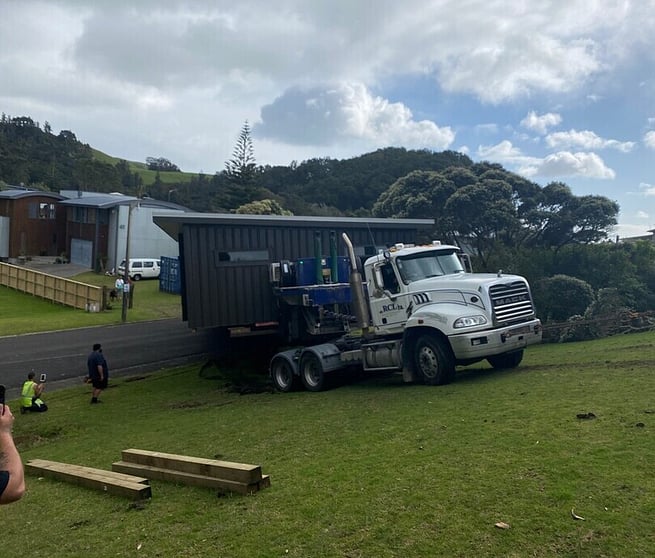
Our trucks and install crews are equipped for tricky terrain, and we’ll guide you on everything from site access to foundation prep.
Our House Plans
Find the design that ticks all the boxes
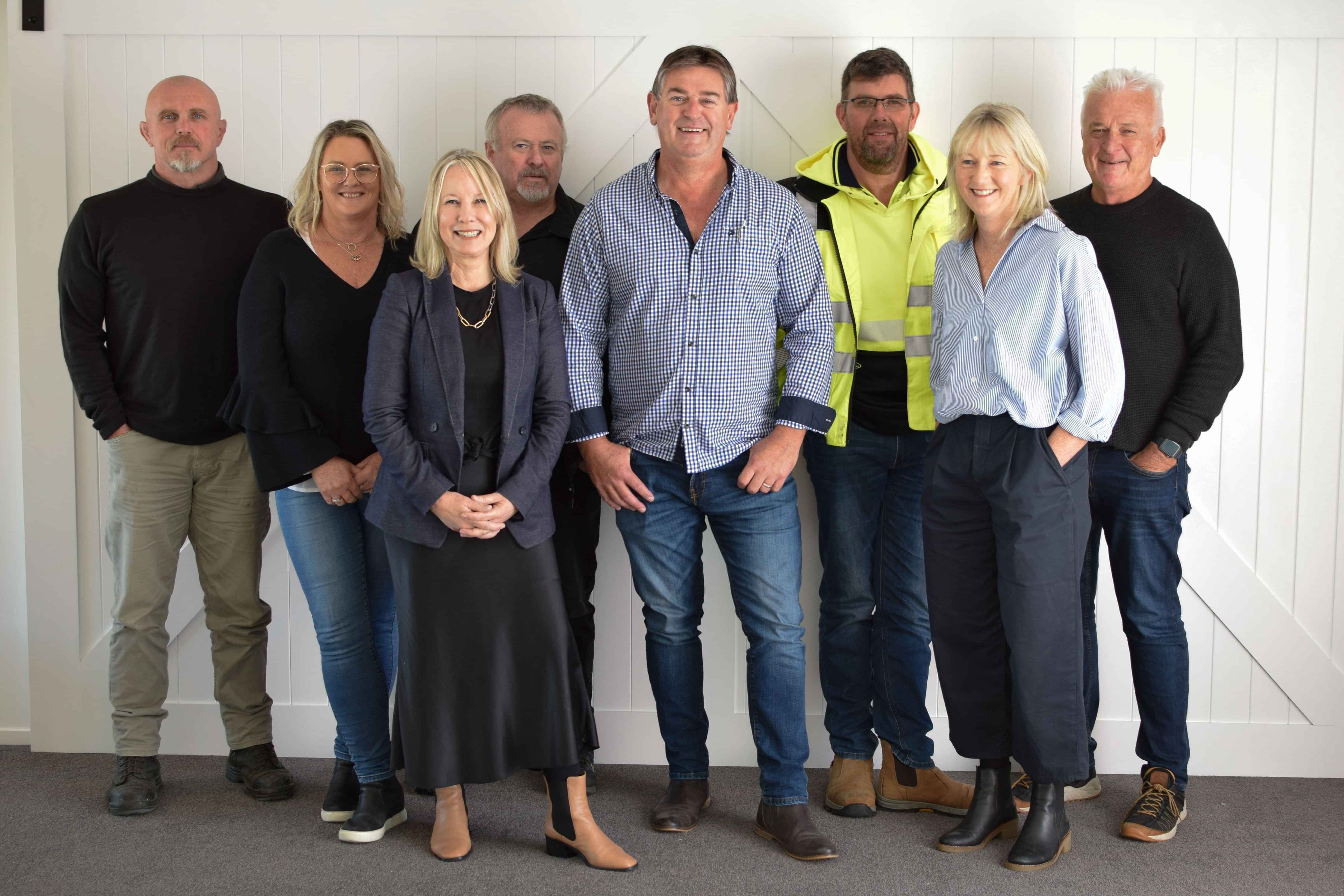
The team behind your Leisurecom home
Leisurecom’s team supports clients right through the process, from selecting a suitable plan through to the final stages that help make the home practical, comfortable, and ready for handover.


CONTACT US
OPENING HOURS
Monday to Friday: 8.30am to 5pm
Weekends By Appointment

