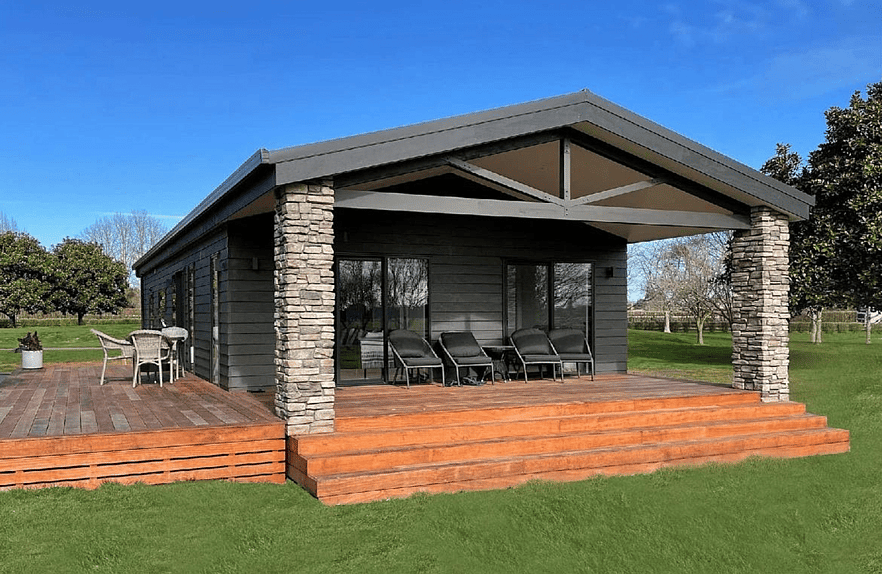
2 BEDROOMLEARN MORE
How a Leisurecom Home Is Actually Built and Delivered
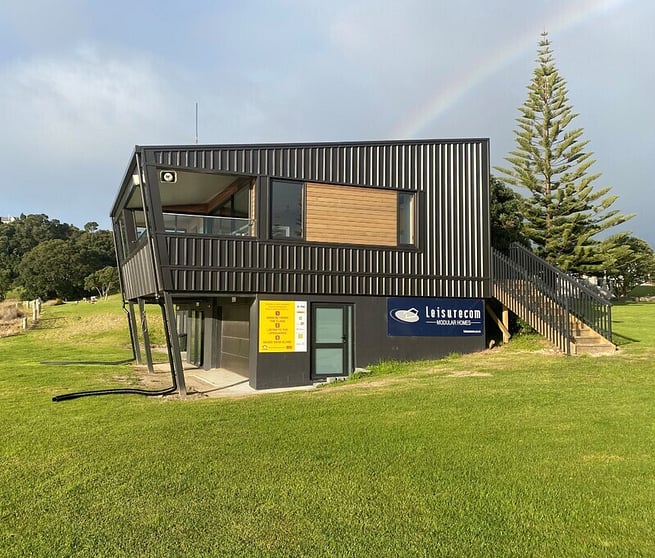
People ask us fairly often what "factory-built" really means in practice - whether it's a marketing phrase or an actual difference in how the home turns out. It's the latter, and it comes down to two decisions we've stuck to since 1999: build everything under shelter, and never cut corners on the foundation. Here's what that looks like from factory floor to your finished site.
Why we build in a factory, not on your site
The factory-build decision isn't really about speed, even though it helps with that too. Every home is built under shelter, which means no weather delays and better waste minimisation than a typical onsite build - and it's not a small effect. Roughly 60% of new builds in New Zealand run into significant delays from bad weather; ours simply don't, because the home is finished before it ever sees your section. We treat that as the core advantage of building this way, not just a convenient side benefit of prefabrication.
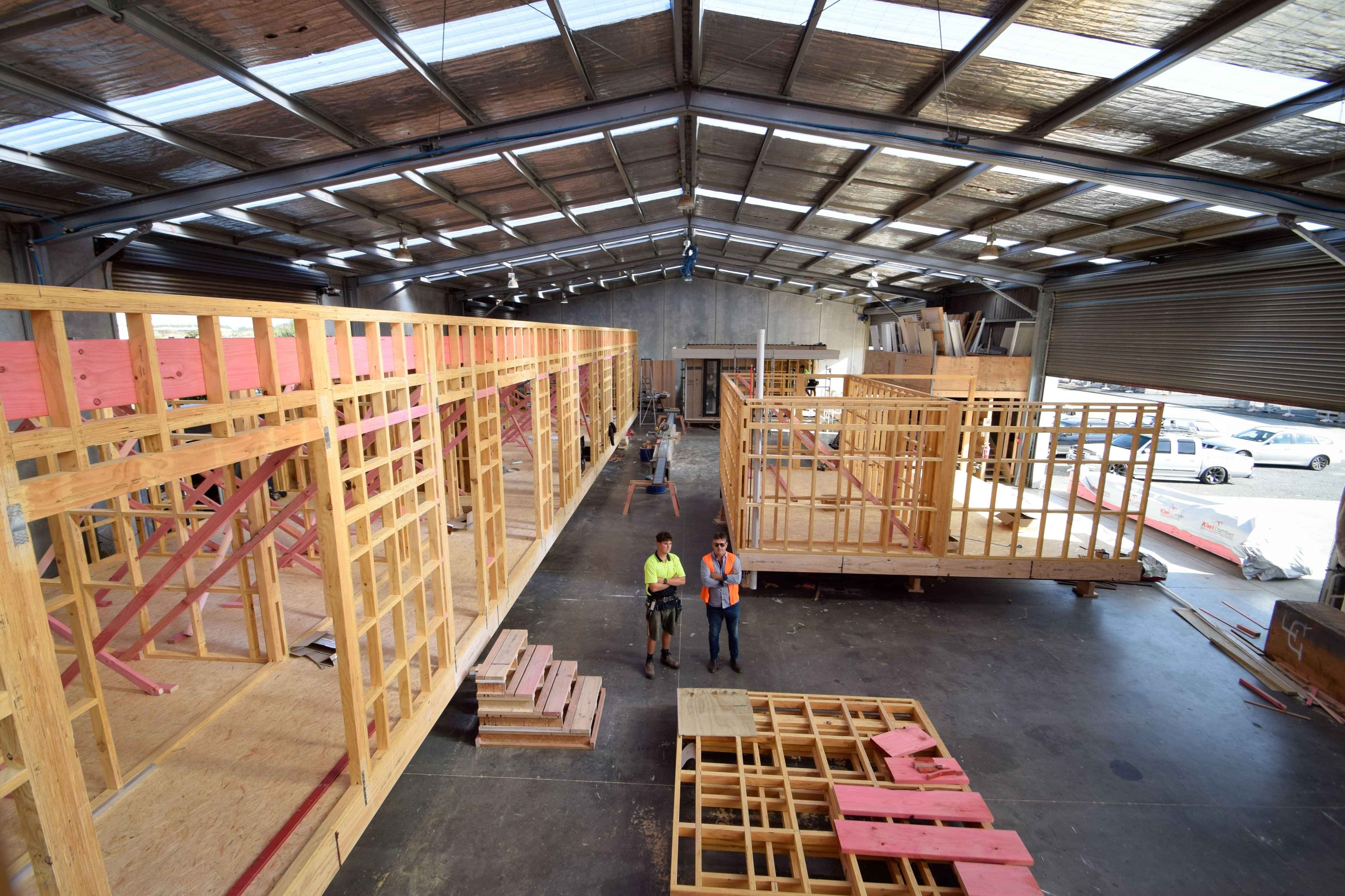
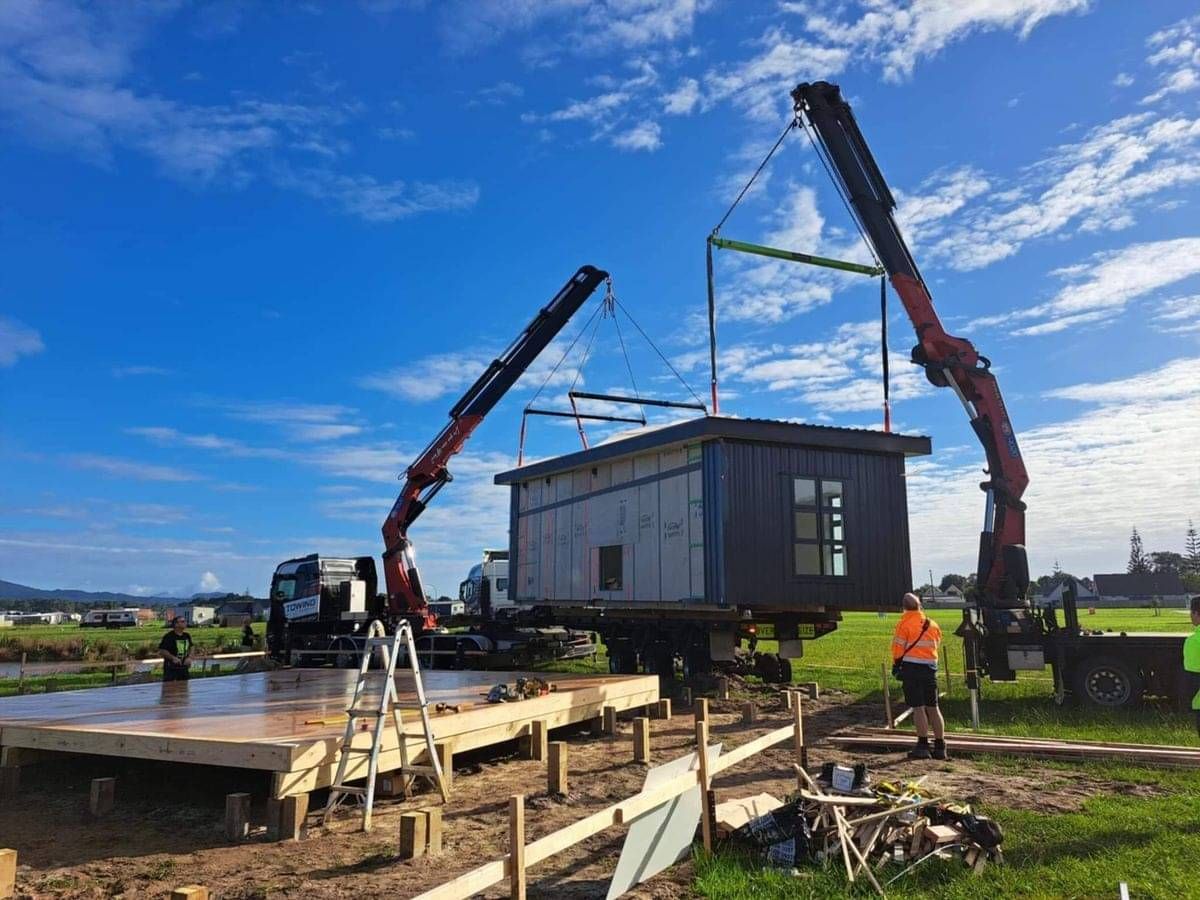
Three rows of piles - the standard nobody asked us to add
Most people assume two rows of piles would be enough under a transportable home, and on some sites they might get away with it. We use three as standard across every build we do, regardless of region, because North Island soil conditions vary enough that three rows consistently delivers better long-term settlement performance and a safer reverse-on during delivery. It's not something we charge extra for or offer as an upgrade - it's the foundation approach we default to because we'd rather build it in than have a client discover the difference years later.
Delivery day: from factory floor to your site
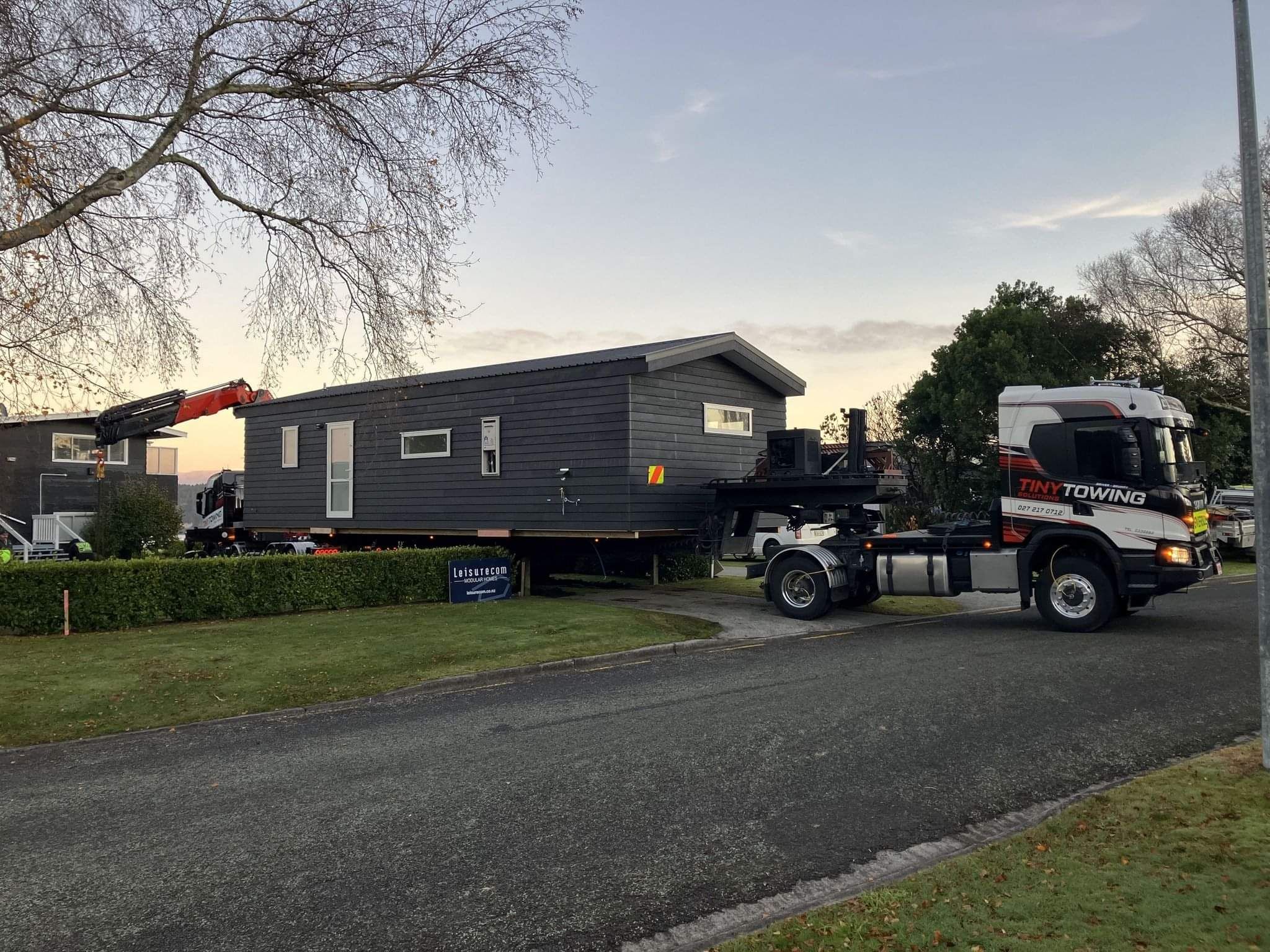
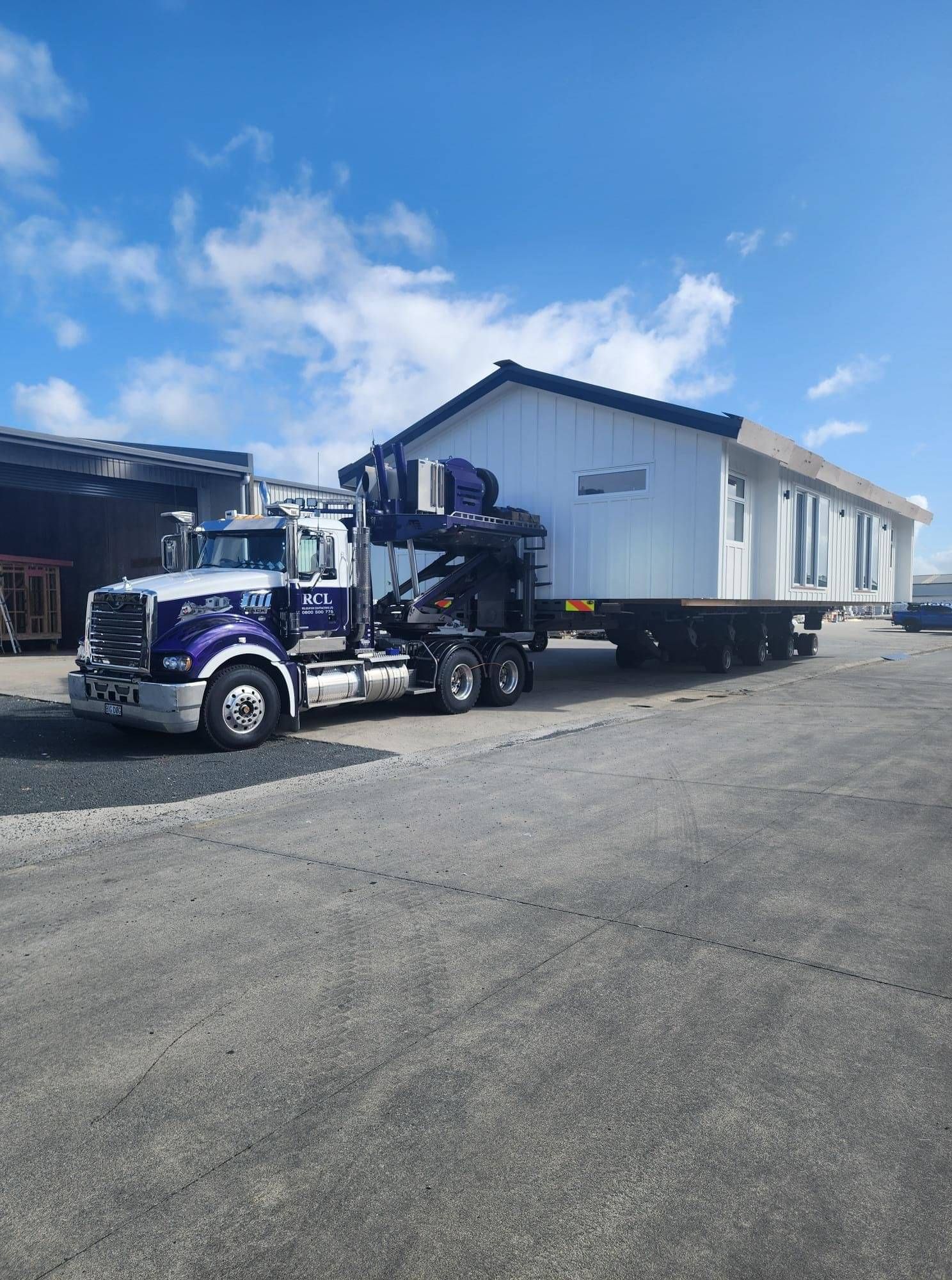
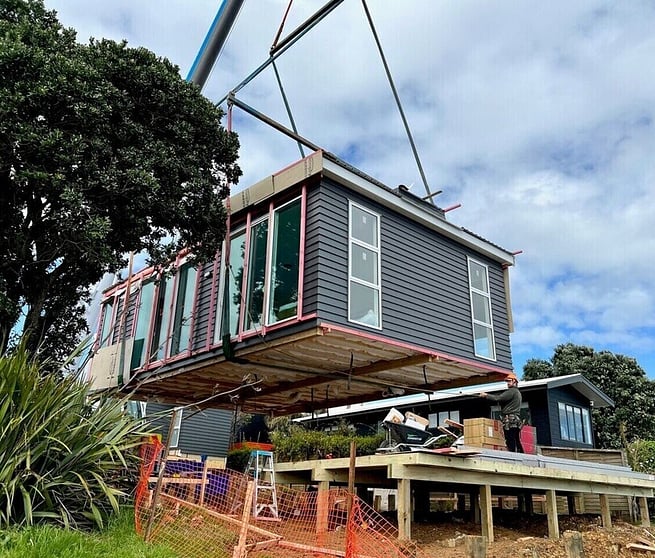
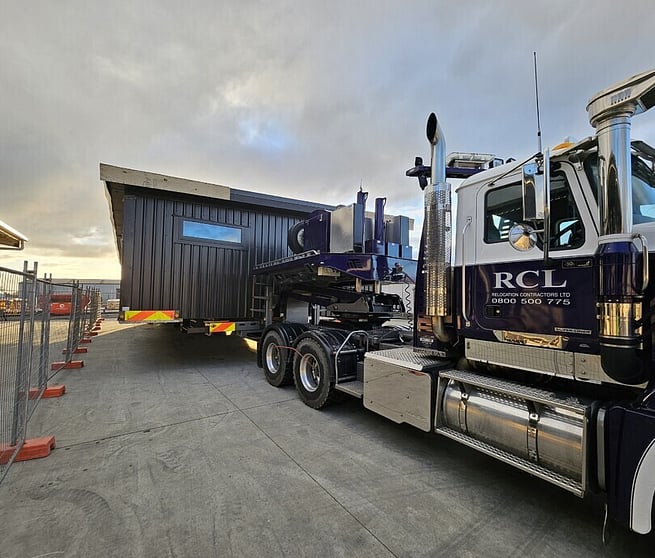
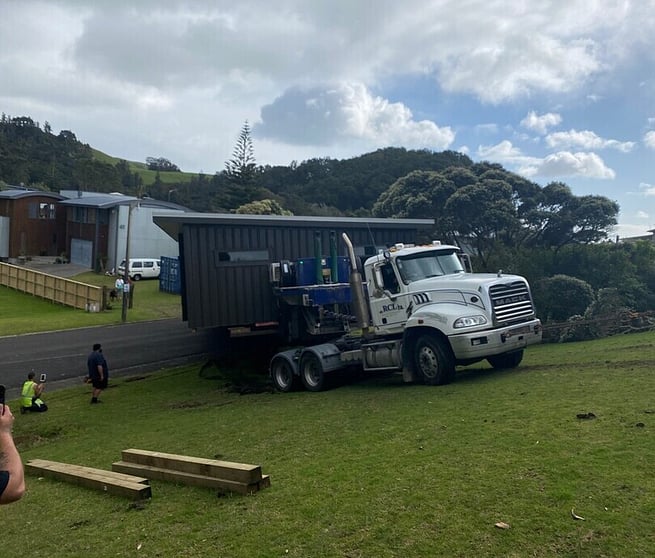
For larger homes built across two modules, delivery day is genuinely the most complex part of the whole process.
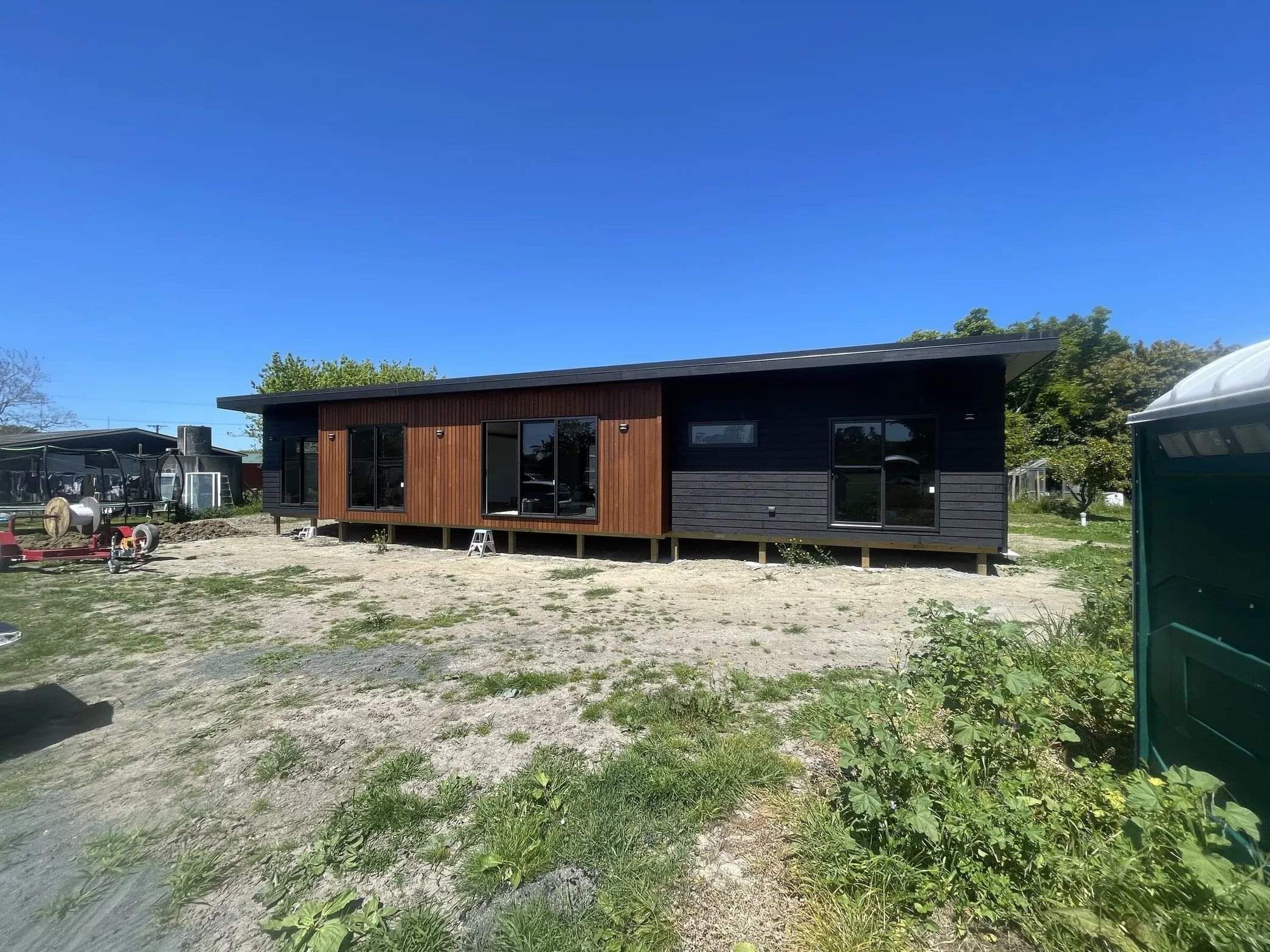
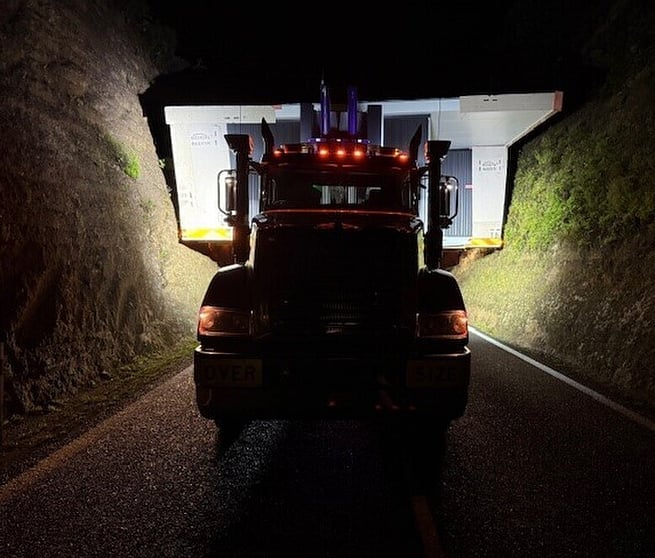
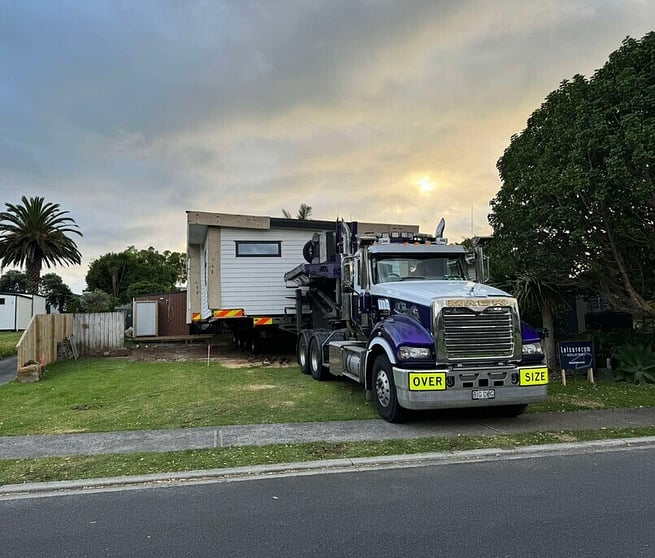
One recent two-module delivery took the home from our Cambridge factory floor to a brand-new site in what our own crew called a day - and night - to remember, getting both modules positioned, joined, and secured on schedule. It's the clearest example we have of what a factory build has to get right before it even leaves Cambridge: every module has to be built to line up precisely with its partner, because there's no room to fix a misalignment once both halves are on site.
What happens once it reaches your section
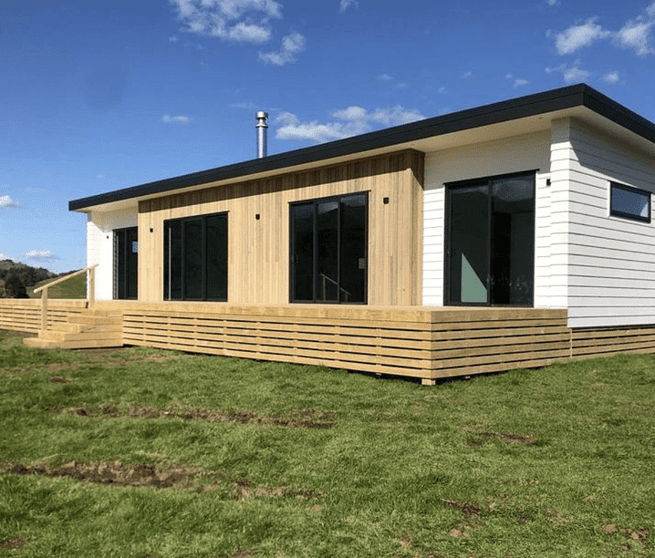
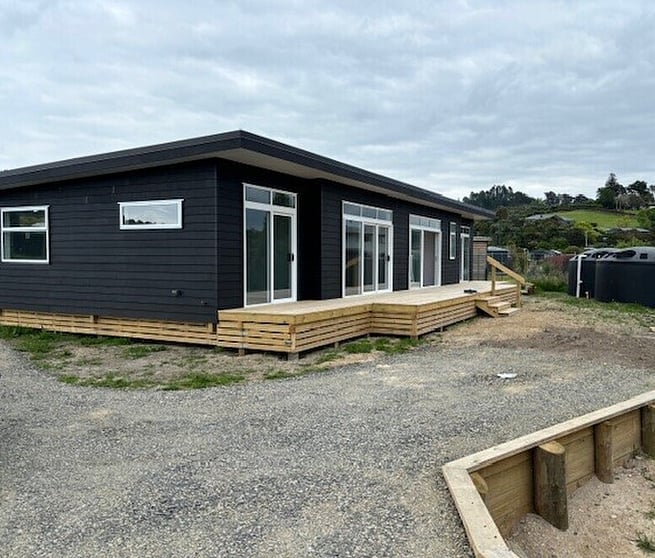
Delivery is only one part of getting to move-in. Once the home is placed and secured on its piles, the remaining work - service connections, decks, final compliance checks - typically takes several weeks depending on what your section already has in place.
Because the home build itself was completed and priced before it left the factory, none of that final-stage work changes your home build cost; it's scoped and quoted as part of your original fixed price, not added on as the project goes.
What this means for your build
Understanding how the process actually works is useful whether or not you build with us - it tells you what questions to ask any transportable home supplier.
Ask what's built under shelter versus onsite, ask what foundation approach is standard rather than optional, and ask how a multi-module delivery is planned and sequenced before you commit. The answers tell you a lot about how seriously a builder takes the parts of the process a buyer can't easily see for themselves.
FAQs
Why does Leisurecom build in a factory instead of onsite?
Building under shelter means the entire construction process is protected from weather, which is the single biggest cause of delay on a typical New Zealand build - around 60% of new builds are significantly affected by it. It also means less waste, since materials and offcuts are managed in a controlled factory environment rather than scattered across an open site. We treat this as the core advantage of a Leisurecom build, not just a transport convenience - the quality and consistency of the finished home benefits from it as much as the timeline does.
Why three rows of piles instead of two?
Two rows of piles is enough on some sites, but soil conditions vary enough across the North Island that we don't think it's worth leaving to chance. Three rows consistently delivers better long-term settlement performance and makes the reverse-on process safer during delivery, so we build it in as standard rather than offering it as an upsell. It's a good example of a decision that costs us more to do by default but saves a client from a problem they'd otherwise only discover years after moving in.
How do larger multi-module homes get assembled on site?
For homes built across two modules, delivery day involves getting both halves from the factory to your site and positioned so they join precisely - there's very little room to correct alignment once both modules are in place, so the accuracy has to be built in at the factory stage. One recent two-module delivery, described by our own crew as a day and night to remember, is a good example of how much coordination goes into getting a larger home from factory floor to a finished site in a single operation. It's more involved than a single-module delivery, but it follows the same underlying process - build it right in the factory, and delivery day becomes execution rather than problem-solving.
How long does the whole process take from factory to move-in?
Total project timelines vary with your specification and site, but the sequence is consistent: factory build, delivery and placement on foundations, then service connections, decking, and final compliance checks once the home is on site. Because the home build itself is priced and completed before it leaves Cambridge, the remaining site-stage work doesn't change your home build cost - it's scoped as part of your original fixed price. We'll give you a realistic timeline for each stage once we know your plan and site details.
Transportable Designs for Kiwi Terrain
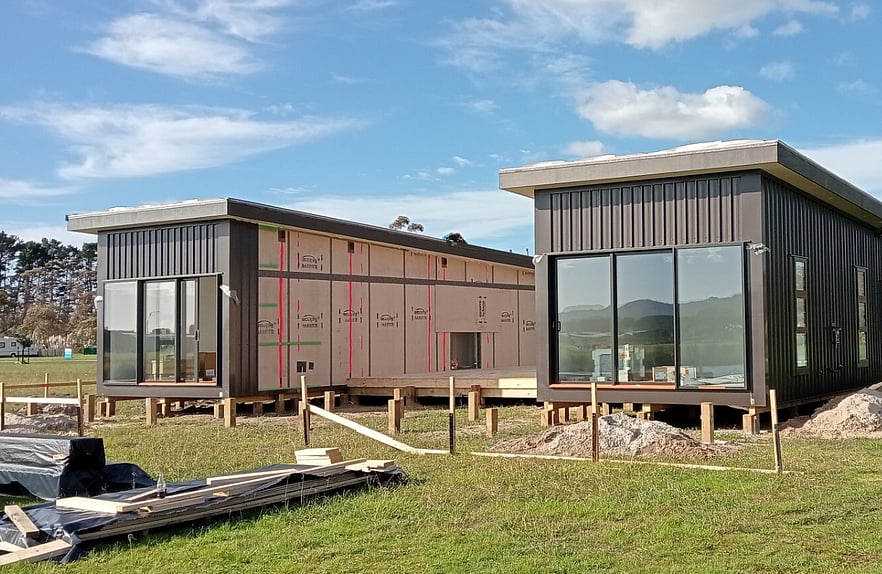
Our trucks and install crews are equipped for tricky terrain, and we’ll guide you on everything from site access to foundation prep.
Our House Plans
Find the design that ticks all the boxes
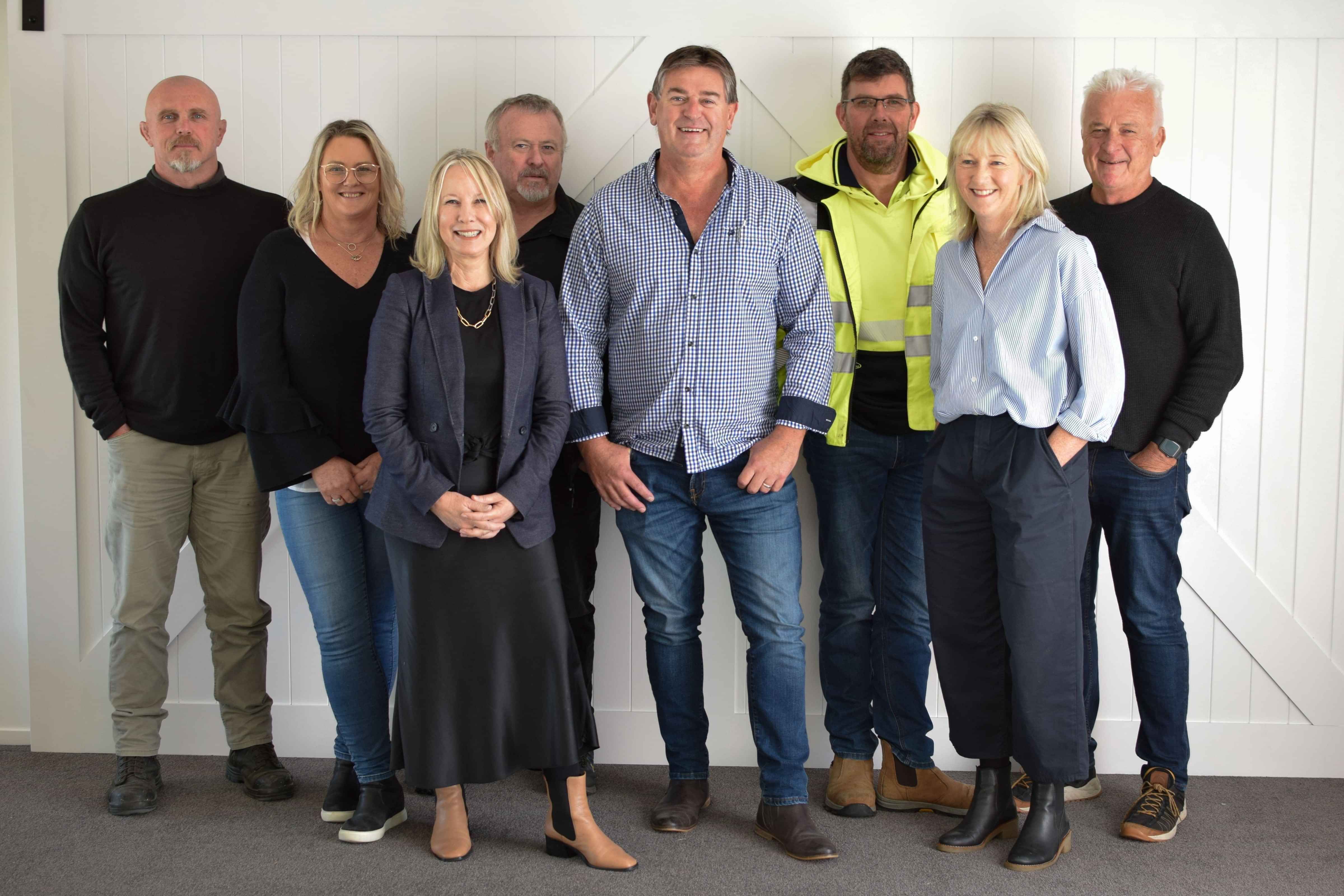
The team behind your Leisurecom home
Leisurecom’s team supports clients right through the process, from selecting a suitable plan through to the final stages that help make the home practical, comfortable, and ready for handover.


CONTACT US
OPENING HOURS
Monday to Friday: 8.30am to 5pm
Weekends By Appointment

