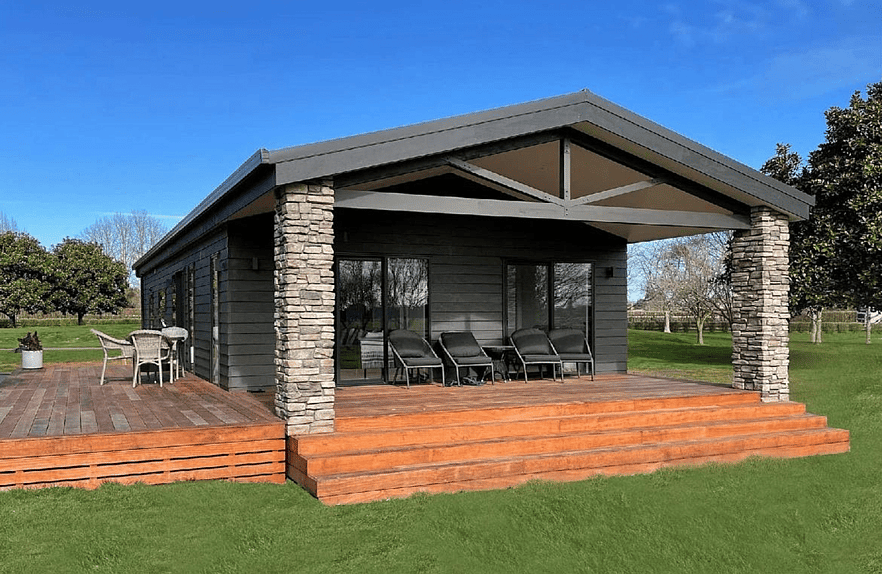
2 BEDROOMLEARN MORE
Relocatable Homes Bay of Plenty, Built to Handle the Coast
We've been delivering relocatable homes across the Bay of Plenty for years, and the coast here throws up problems most builders never have to plan for -
Narrow beach access roads, tight coastal sections, and cladding that has to survive salt air, not just look good on day one. Every home we build for this region leaves our Cambridge factory ready for that, not adapted to it after the fact.
Real Bay of Plenty deliveries, not a general claim
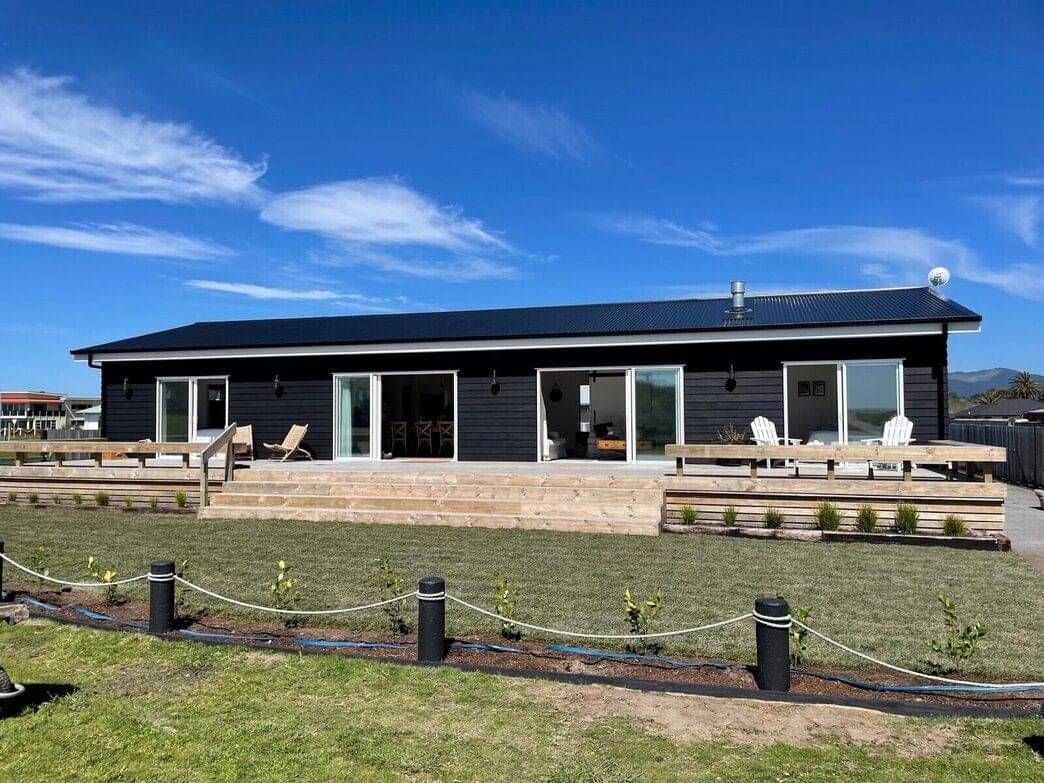
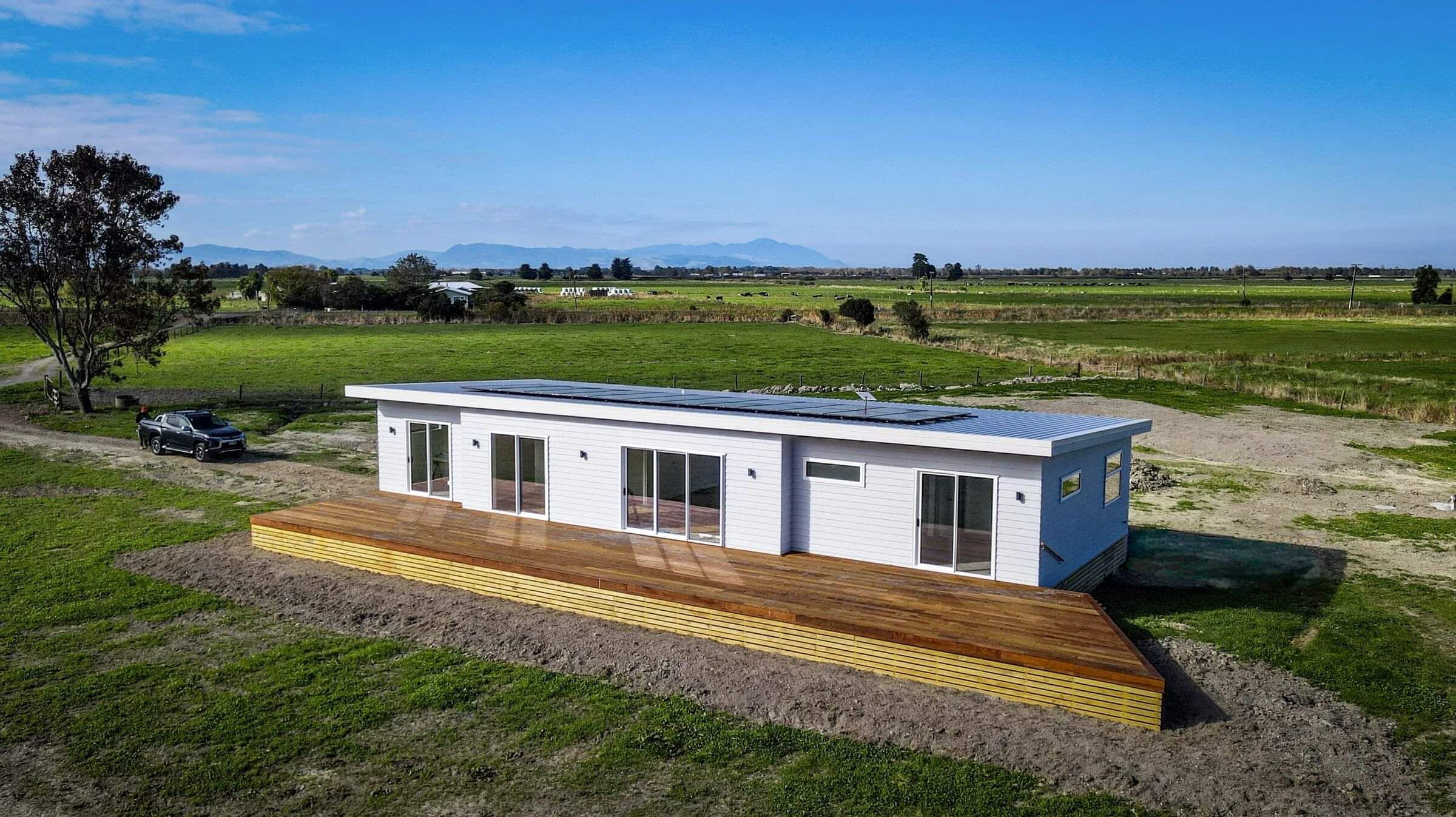
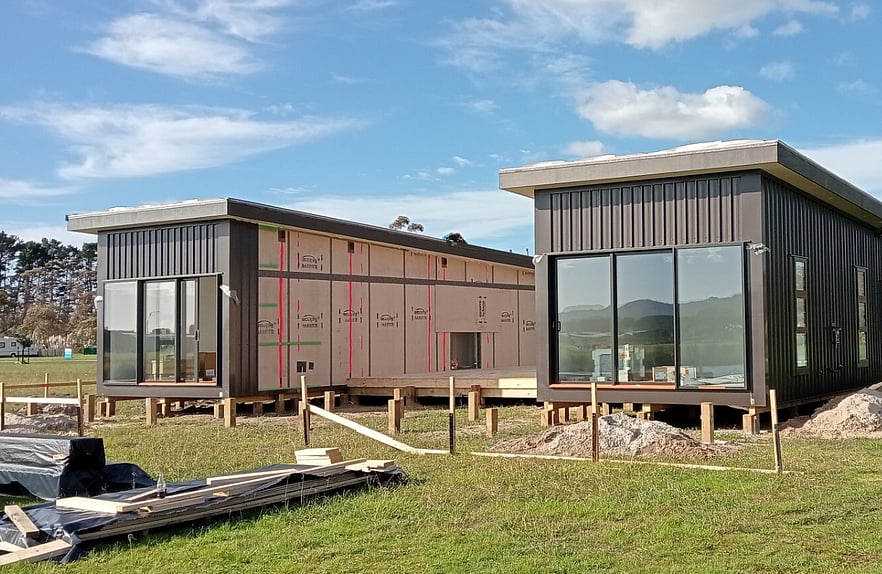
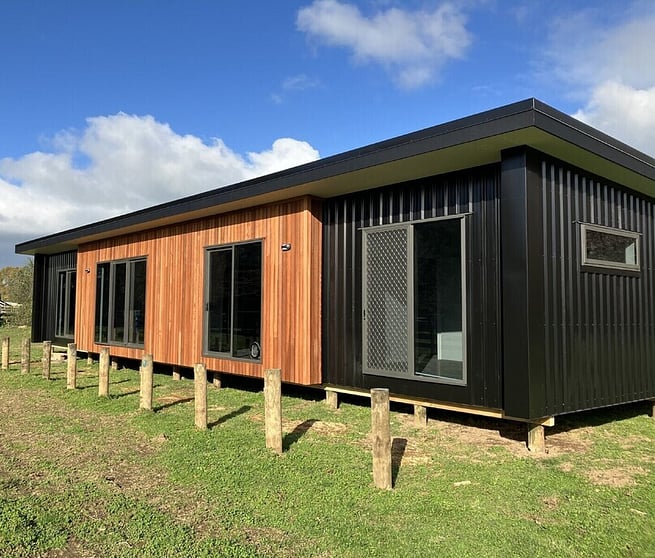
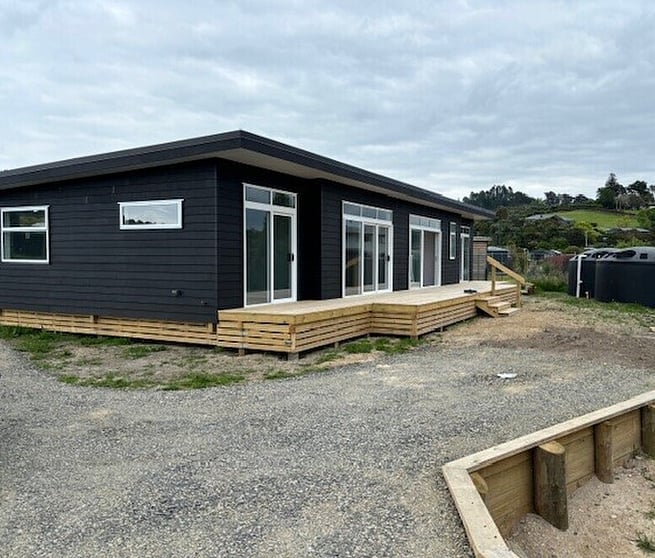
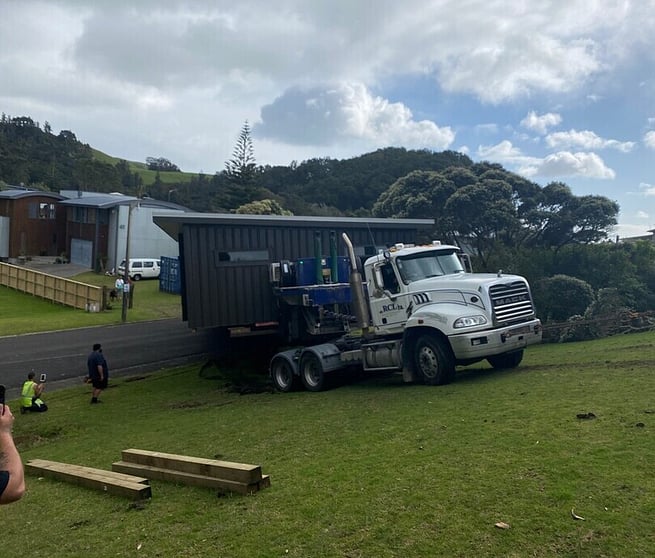
Earlier this year we delivered a Sahara 4-bedroom to a section at Waiotahe Drifts in Ōpōtiki - part of a cluster of four transportable homes we placed across one of the area's most sought-after coastal pockets in a single stretch. That kind of multi-home delivery in one region tells you something a single case study can't: we're not visiting the Bay of Plenty occasionally, we're building a genuine local footprint here, home by home, street by street.
Whether you're in Ōpōtiki, Tauranga, Whakatāne or anywhere in between, the team placing your home has almost certainly worked this coastline before.
A stable team who know this coastline
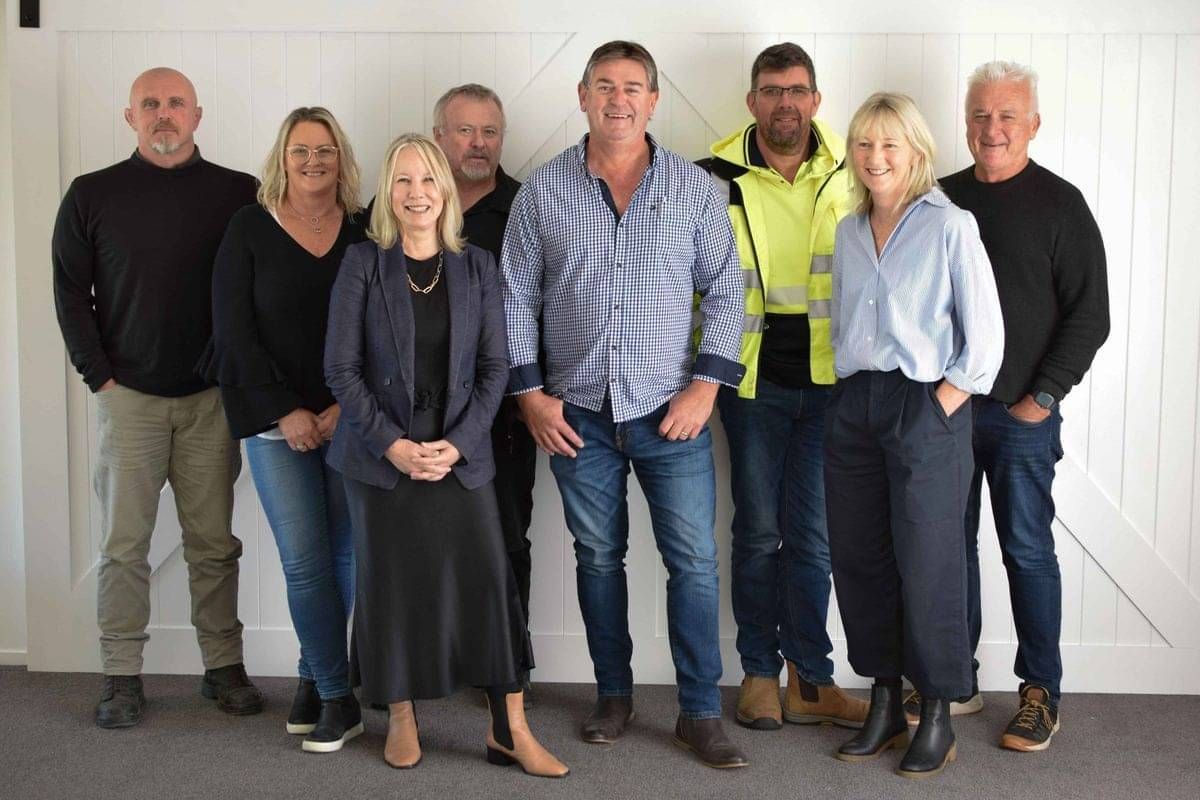
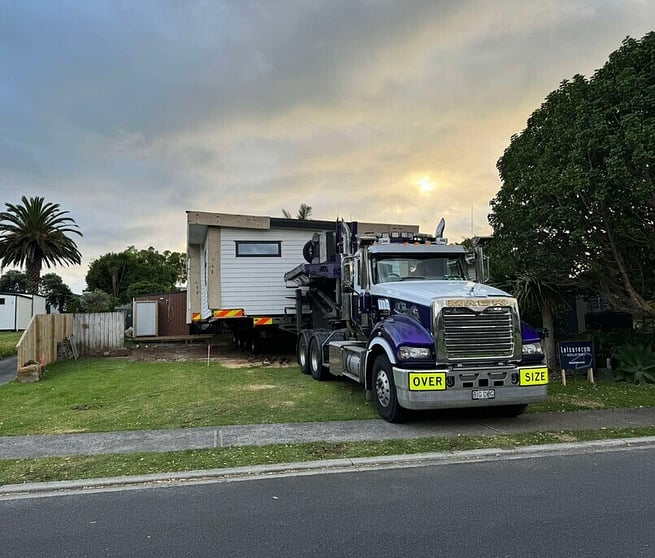
Robb Marston and Kevin Taylor run sales and quoting from Cambridge, but it's site manager Murray Driver's crew who actually gets your home down the driveway and onto piles - and they've done it on beach roads, sloped coastal sections and everything in between across the wider region. That continuity matters more on the coast than almost anywhere else: a crew who's reversed a house onto piles at Waihi Beach before isn't guessing at how your Bay of Plenty section will behave.
Local knowledge: access on beach roads and tight coastal sections
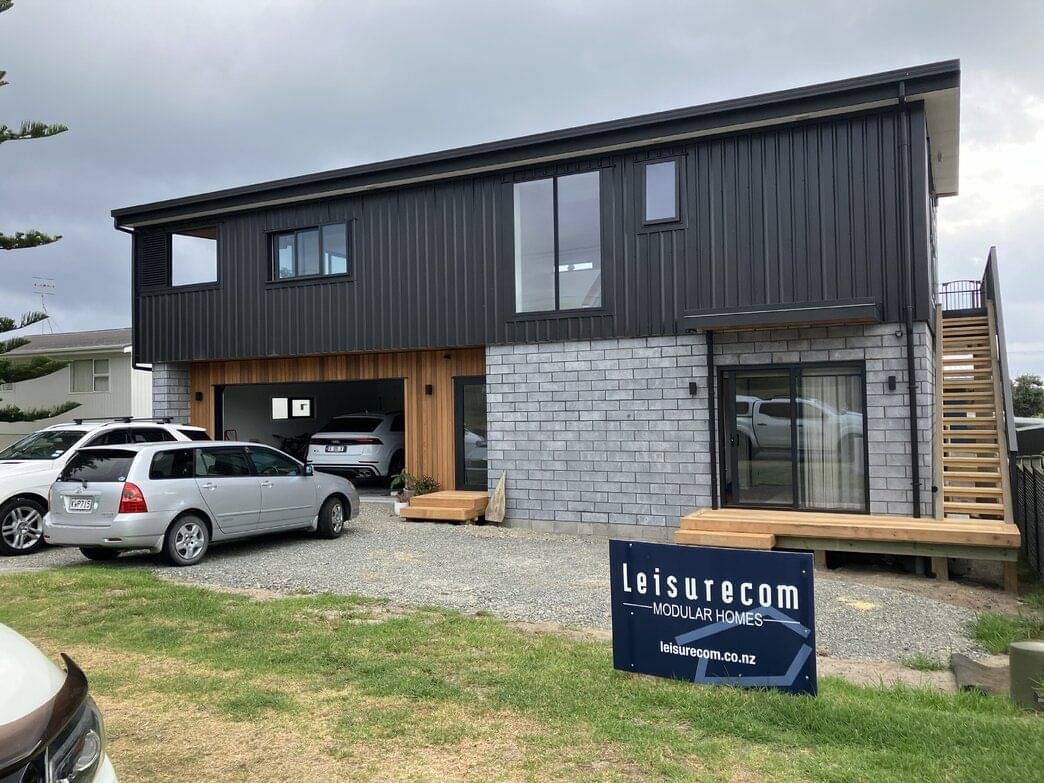
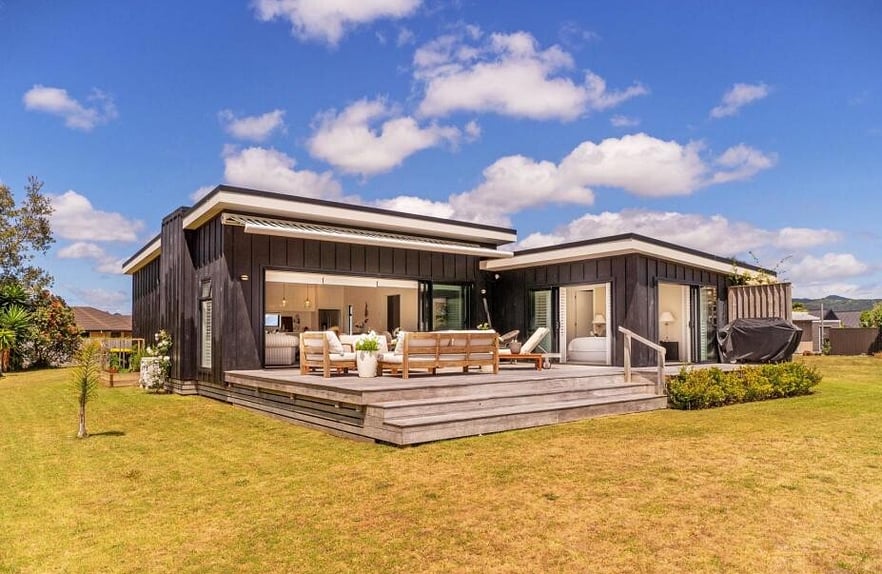
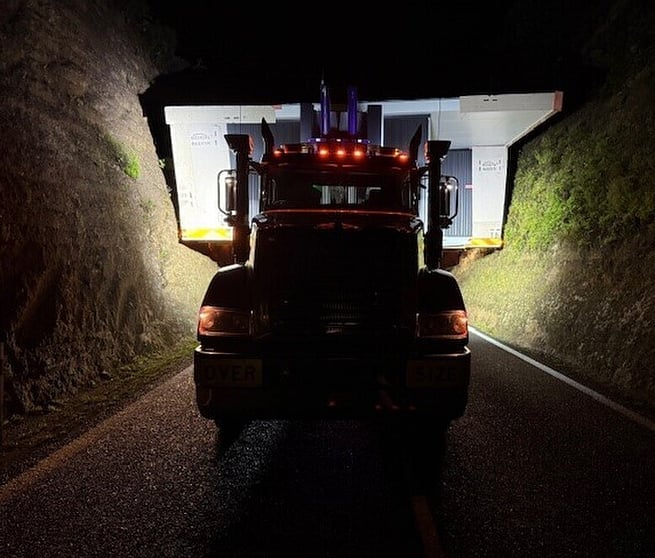
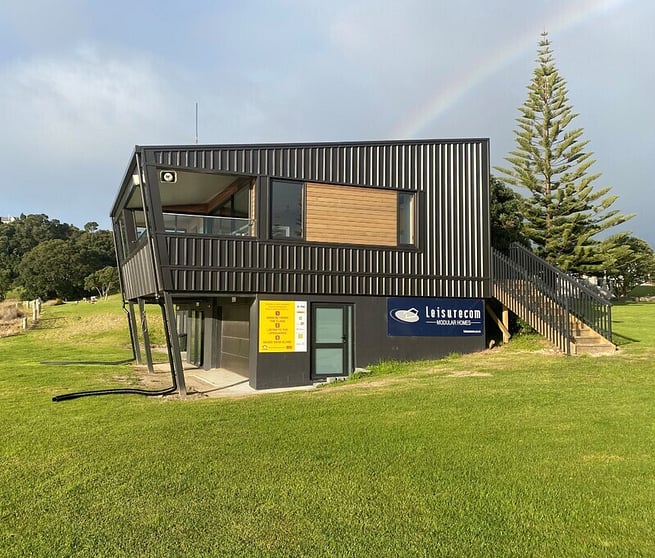
Bay of Plenty coastal sections are rarely straightforward - narrow beach access roads, established trees, sloped driveways and neighbouring properties close on both sides are the norm rather than the exception. We've delivered multiple homes to Waihi Beach, including a sleek two-storey factory-built home that's become something of a local benchmark for modern beach living, and a separate delivery where the crew had to reverse the house onto piles on a genuinely tricky access route.
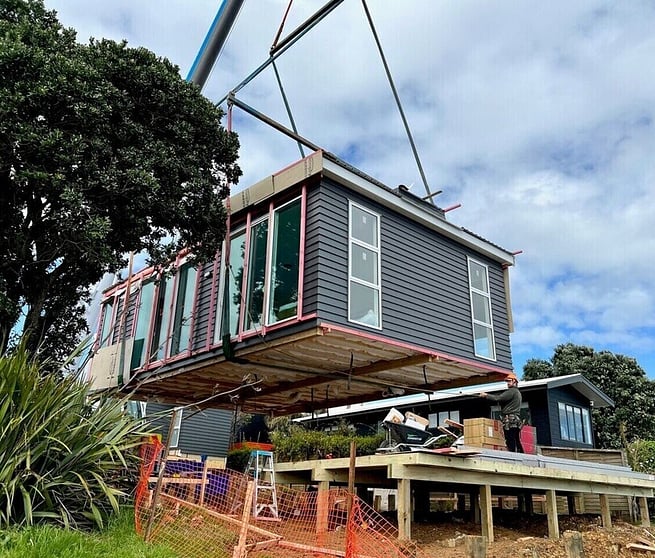
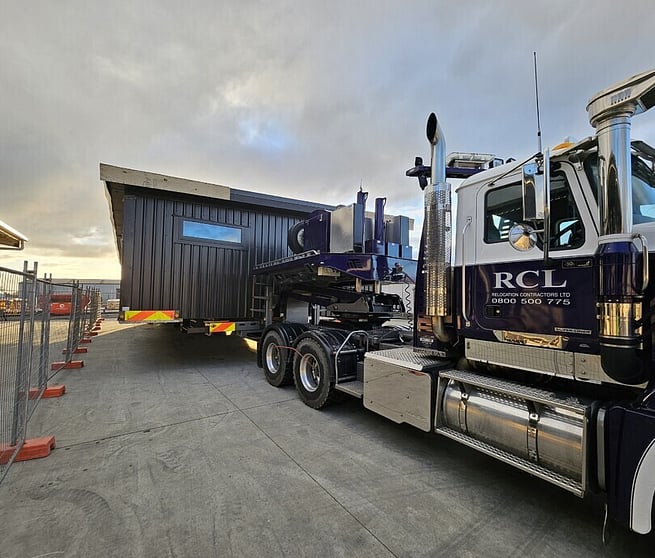
Before your delivery date is set, our team walks the access with you - truck swing, overhead lines, gate widths, and whether a crane lift is needed instead of a straight reverse-in - so nothing gets discovered on the day.
Built for the way Bay of Plenty owners actually use these homes
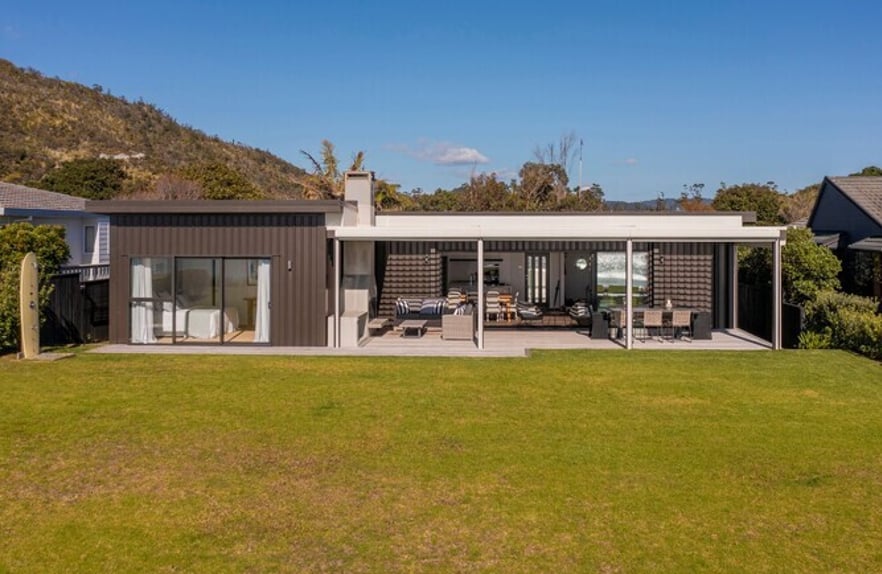
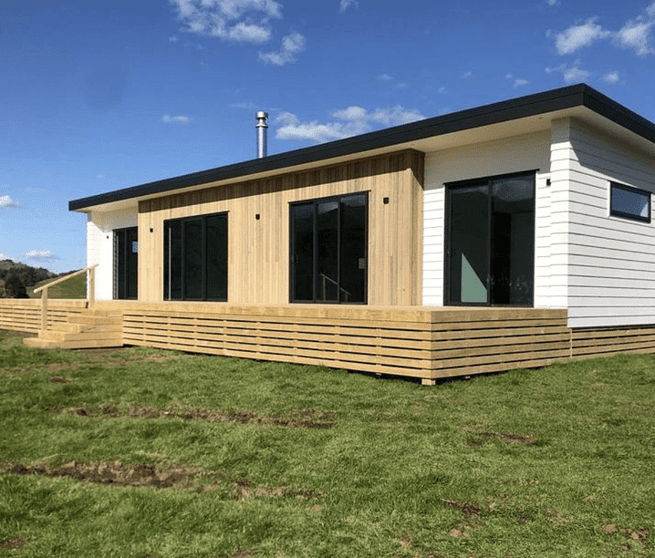
A large share of what we build across this coast - Waihi Beach through to the wider Coromandel and Tauranga fringe - goes to owners after one thing above all: lock-up-and-leave functionality. Holiday homes and baches that sit empty for stretches need to handle damp, salt air and the odd unattended storm without a fuss, which is why coastal-appropriate cladding and durable finishes matter more here than on an inland build.
If you're planning transportable homes Bay of Plenty buyers use as a bach rather than a full-time residence, that's a genuinely different brief to a full-time family home, and it's one we build for specifically - not as an afterthought.
From Cambridge factory to your Bay of Plenty site
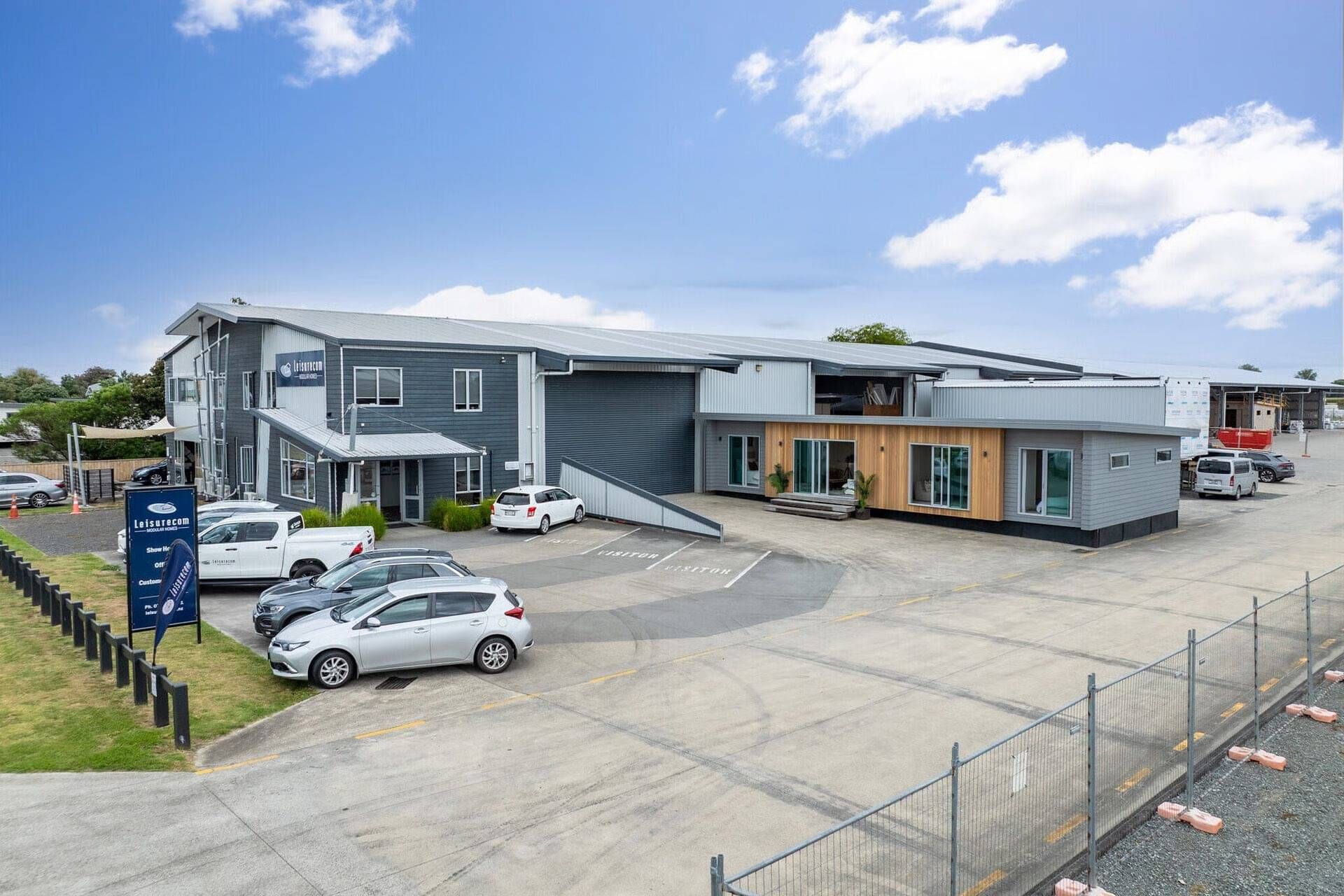
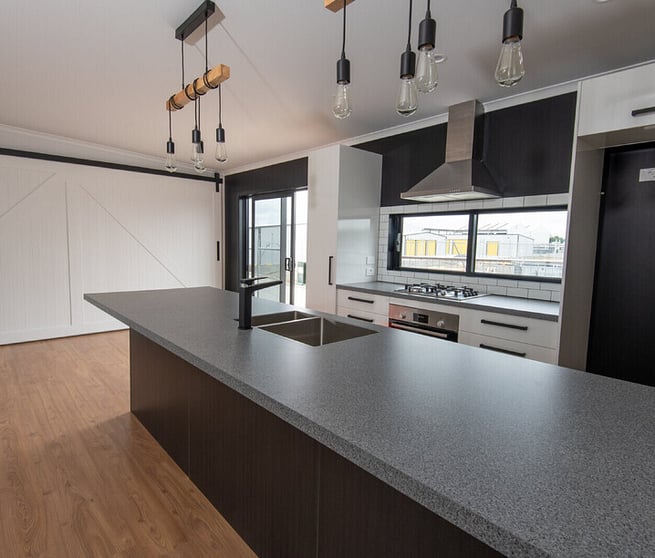
Every relocatable homes Bay of Plenty build starts the same way: built under shelter at our Hannon Road factory in Cambridge, so weather never delays the job. It then travels to your section largely finished - single-piece for most sites, or as a modular homes Tauranga two-piece delivery for larger footprints. Either way, it arrives on three rows of driven piles as standard, giving better long-term load distribution - worth knowing if your section has soft coastal ground.
FAQs
Can a truck actually reach my section on a Bay of Plenty beach road?
In most cases, yes, but it depends on the specific route, not just the general area. We've delivered relocatable homes across narrow beach access roads at Waihi Beach and coastal Ōpōtiki, including sites where the standard straight reverse-in wasn't possible and the crew had to reverse the house onto piles via a more complex approach. Before we lock in a delivery date, we walk the access with you or arrange a site visit - checking truck swing radius, gate and driveway widths, overhead power lines, and whether the ground will support a straight drive-in or needs a crane lift instead. Sloped or heavily treed coastal sections sometimes need a crane rather than a truck reverse, which changes both cost and timeline slightly, so it's worth raising early rather than assuming. If you're unsure whether your specific street or section will work, send us the address before you get too far into planning and we'll tell you honestly what's involved - not just what you want to hear.
Are relocatable homes suitable for holiday homes and baches on the coast?
Very much so, and it's a large part of what we build across the Bay of Plenty and wider Coromandel coastline. Owners buying for Waihi Beach, Ōpōtiki or the Tauranga fringe are typically after lock-up-and-leave functionality above everything else - a home that sits fine for weeks unattended between visits, handles salt air and damp without fuss, and doesn't need constant maintenance to stay looking good. That means coastal-appropriate cladding and durable exterior finishes are a genuine specification decision, not a nice-to-have, and it's worth discussing upfront if your relocatable home is going to function as a bach rather than a full-time residence. The build process is otherwise identical to a full-time home - factory-built under shelter at our Cambridge site, delivered complete, sited on three rows of driven piles as standard - the difference is mostly in the finish choices, not the construction method.
What's the difference between relocatable and modular homes for a Bay of Plenty site?
For most Bay of Plenty sites, a relocatable home is delivered as one complete piece on a truck. Modular delivery - which we've used for larger builds, including a modular homes Tauranga-area project - means the home is built and delivered in two or more sections that get joined on site, which suits bigger floor plans or sites where a single large piece isn't practical to transport or crane in. Which one suits your section comes down to size and access more than preference: a smaller two or three-bedroom bach almost always ships as a single piece, while a larger family-sized home on a generous section may make more sense as a two-piece modular delivery. We'll tell you honestly which approach fits your specific plans and section during quoting, rather than defaulting you into whichever is easier for us.
Do you build custom designs for coastal Bay of Plenty sections, or only standard plans?
Both. Most Bay of Plenty clients start from one of our standard plans - the Sahara range covers 2, 3 and 4-bedroom layouts efficiently - and adjust it for their section: window placement for a view, deck orientation for sun and wind, or cladding upgrades for coastal exposure. The Sahara 4-bedroom homes we placed at Waiotahe Drifts in Ōpōtiki are a good example of a standard plan adapted sensibly for a coastal setting rather than built from a blank sheet, which typically keeps cost and timeline more predictable than a fully custom design. If your section has genuine constraints - a tight coastal footprint, an unusual orientation, or council conditions specific to a coastal hazard zone - our design and QS team, Vince Randall and Rohit Lalji, will work through what's achievable before you commit to a plan.
How long does a relocatable home take from order to delivery on the Bay of Plenty coast?
Timelines vary with your specific site and council, but the factory-build side is genuinely predictable because it isn't weather-dependent - your home is built under shelter at Cambridge regardless of what the Bay of Plenty coast is doing that week. What varies more is the consent and site-preparation side: coastal sections sometimes carry additional council requirements around hazard zones or access, which can add time before delivery is even scheduled. We'll give you a realistic timeline once we've seen your specific section and confirmed consent requirements, rather than a generic industry figure that doesn't account for your council or your access route.
Our House Plans
Find the design that ticks all the boxes
Transportable Designs for Kiwi Terrain
Our trucks and install crews are equipped for tricky terrain, and we’ll guide you on everything from site access to foundation prep.


CONTACT US
OPENING HOURS
Monday to Friday: 8.30am to 5pm
Weekends By Appointment

