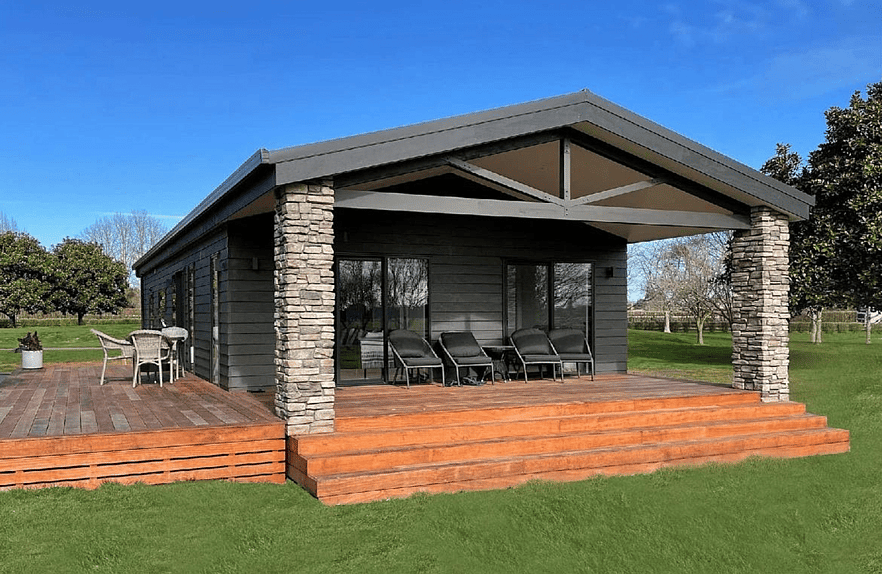
2 BEDROOMLEARN MORE
Transportable, Modular, Prefab or Relocatable: What's the Real Difference?
If you've been searching modular homes NZ, prefab homes NZ and transportable homes NZ and getting slightly different results for what looks like the same house, that's not a mistake on your end - it's because these terms overlap heavily in New Zealand's housing market. The honest answer: at Leisurecom, they describe the same factory-built approach, marketed under different names depending on what a buyer is searching for. What actually varies is scale, delivery method and site complexity, not the underlying product.
Why these four terms all point at roughly the same thing
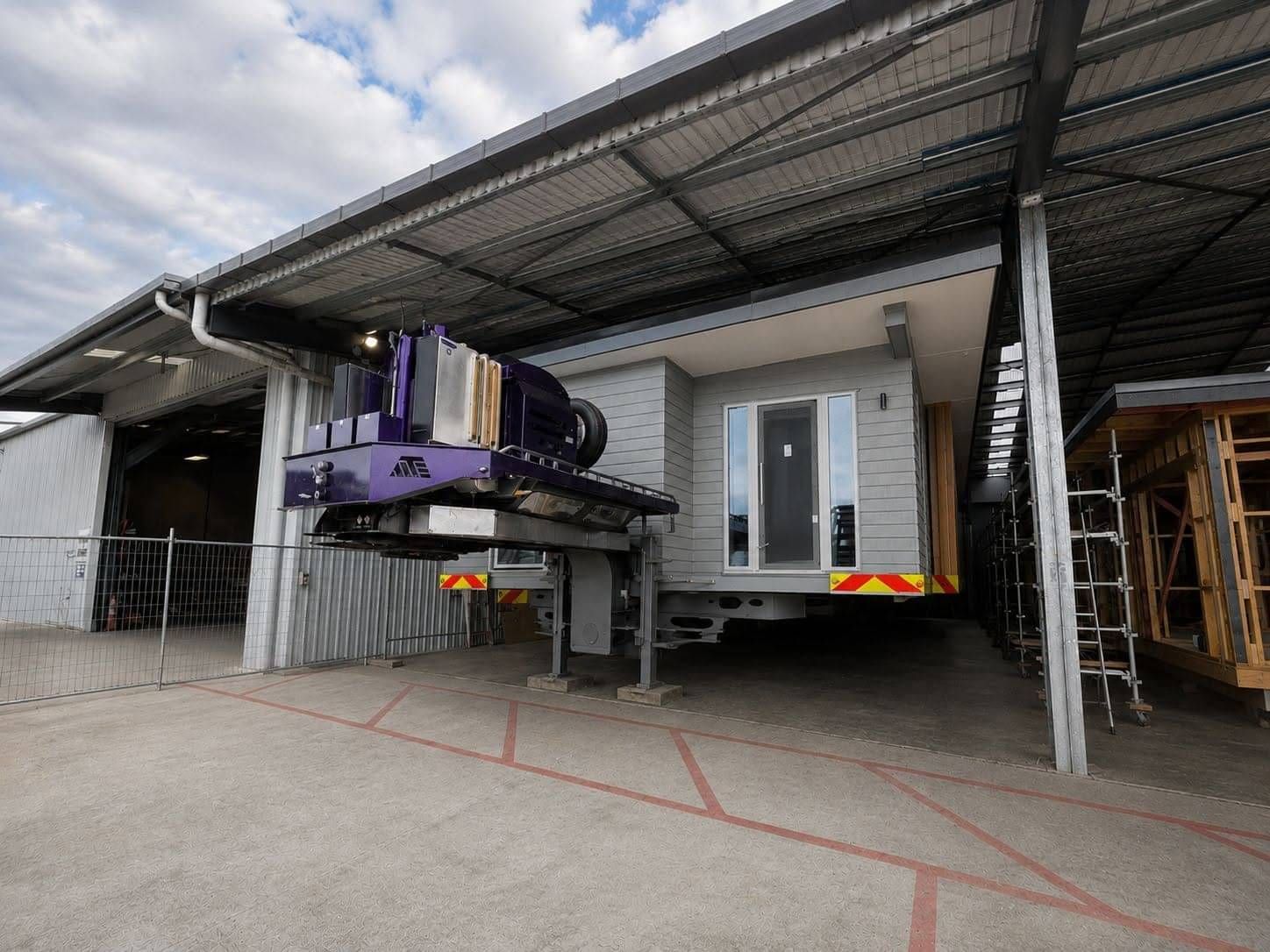
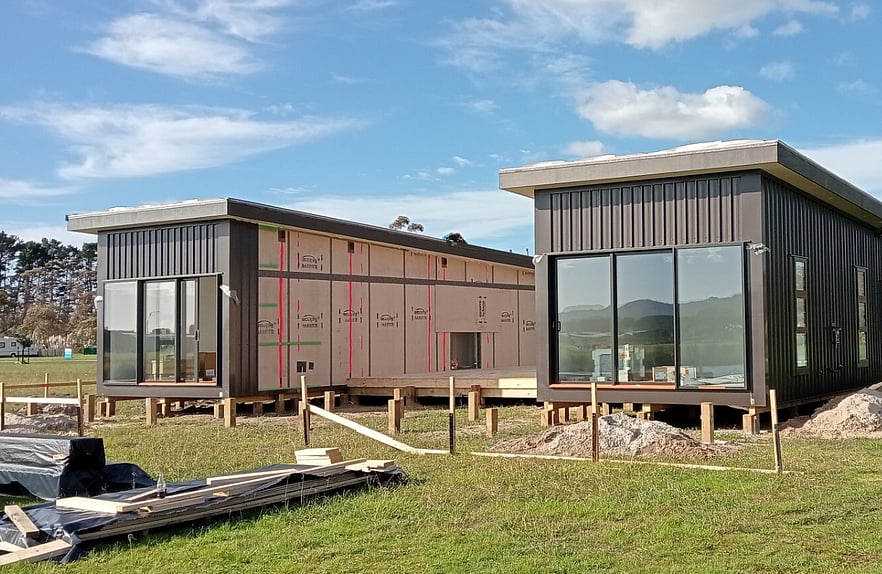
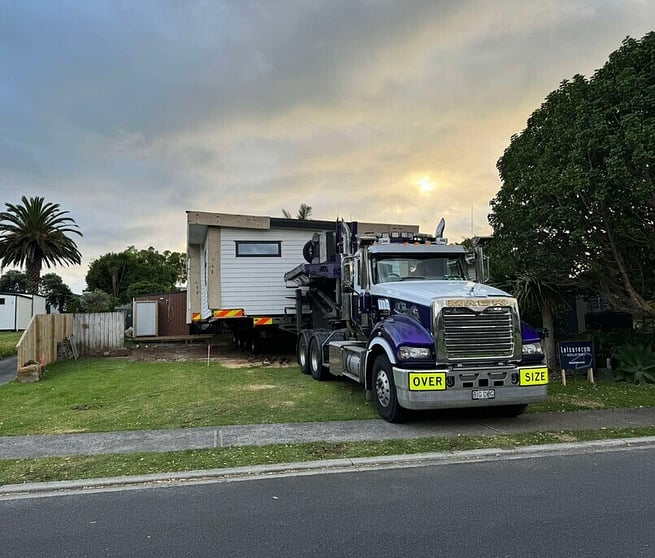
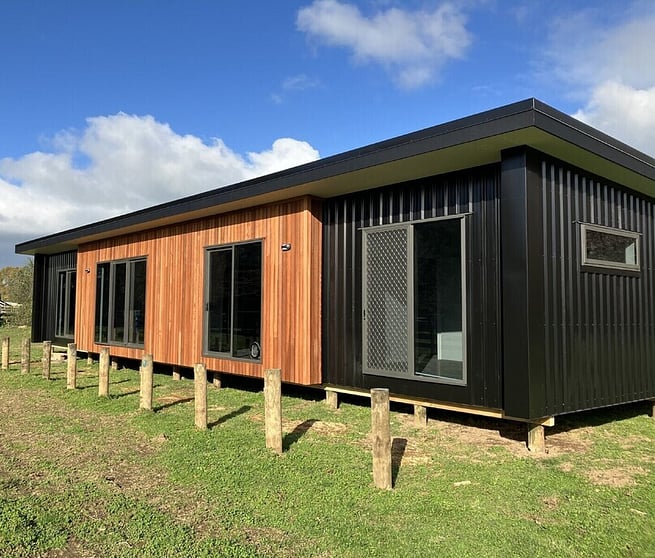
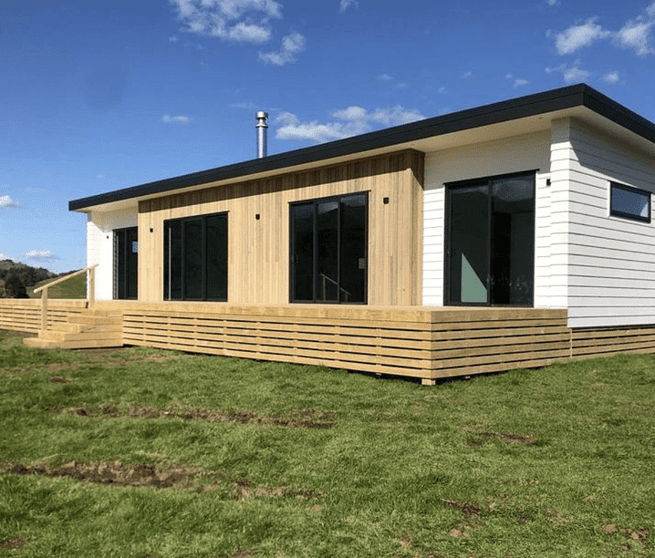
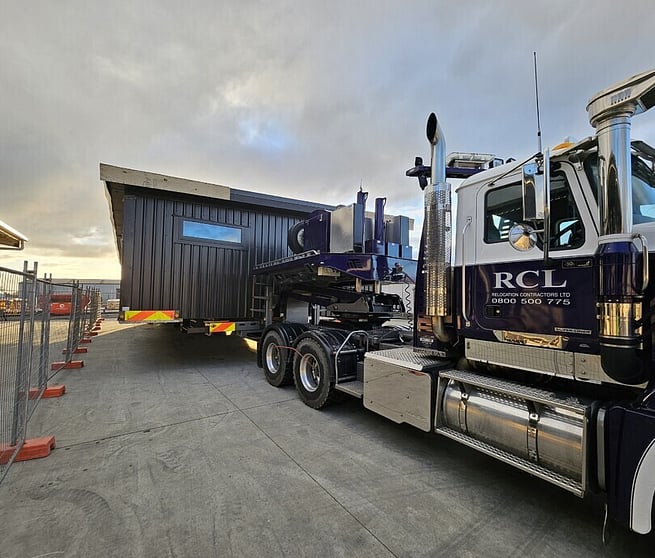
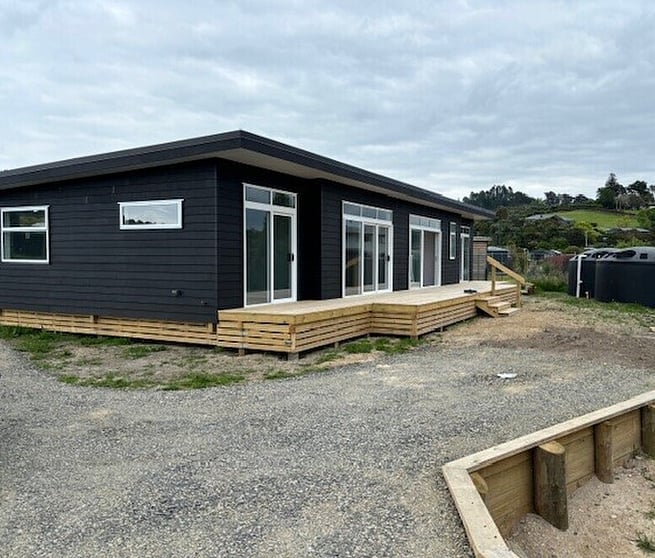
Transportable, modular, prefab and relocatable homes all mean a house built off-site in a controlled factory environment, then delivered to your section largely complete. The terminology split exists because different buyers search differently - someone picturing a truck delivering a finished house searches "transportable," someone thinking about component-built construction searches "modular," someone focused on the off-site manufacturing process searches "prefab," and someone planning to move an existing structure searches "relocatable."
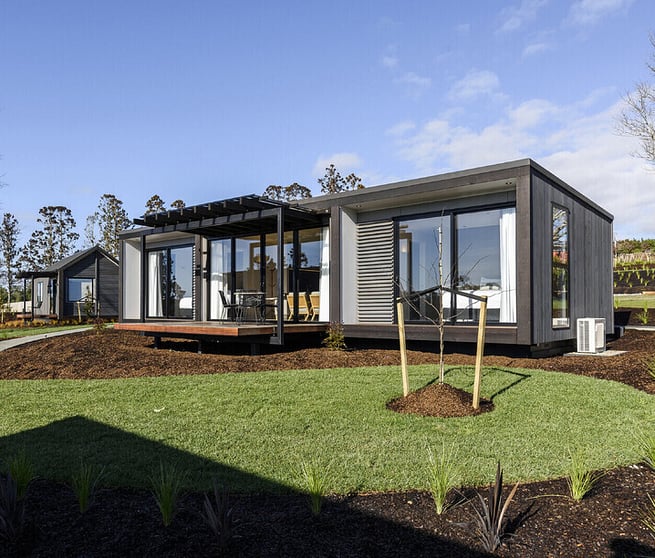
At Leisurecom, all of them describe homes built at the Hannon Road factory in Cambridge and delivered site-ready - the core differentiator is factory construction under shelter, not which word you used to find us.
Where "modular" genuinely means something different: scale and delivery
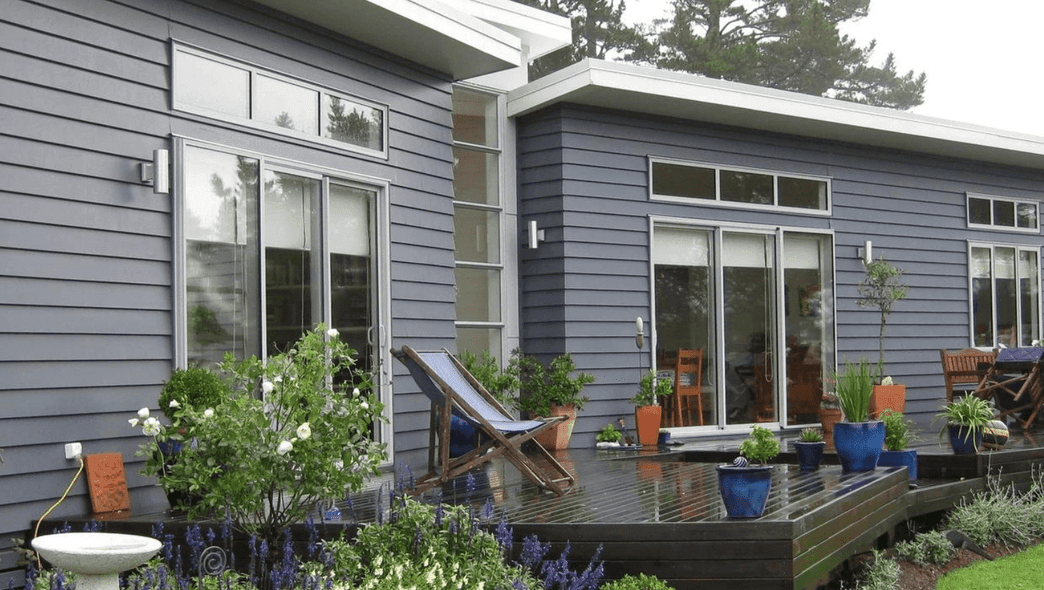
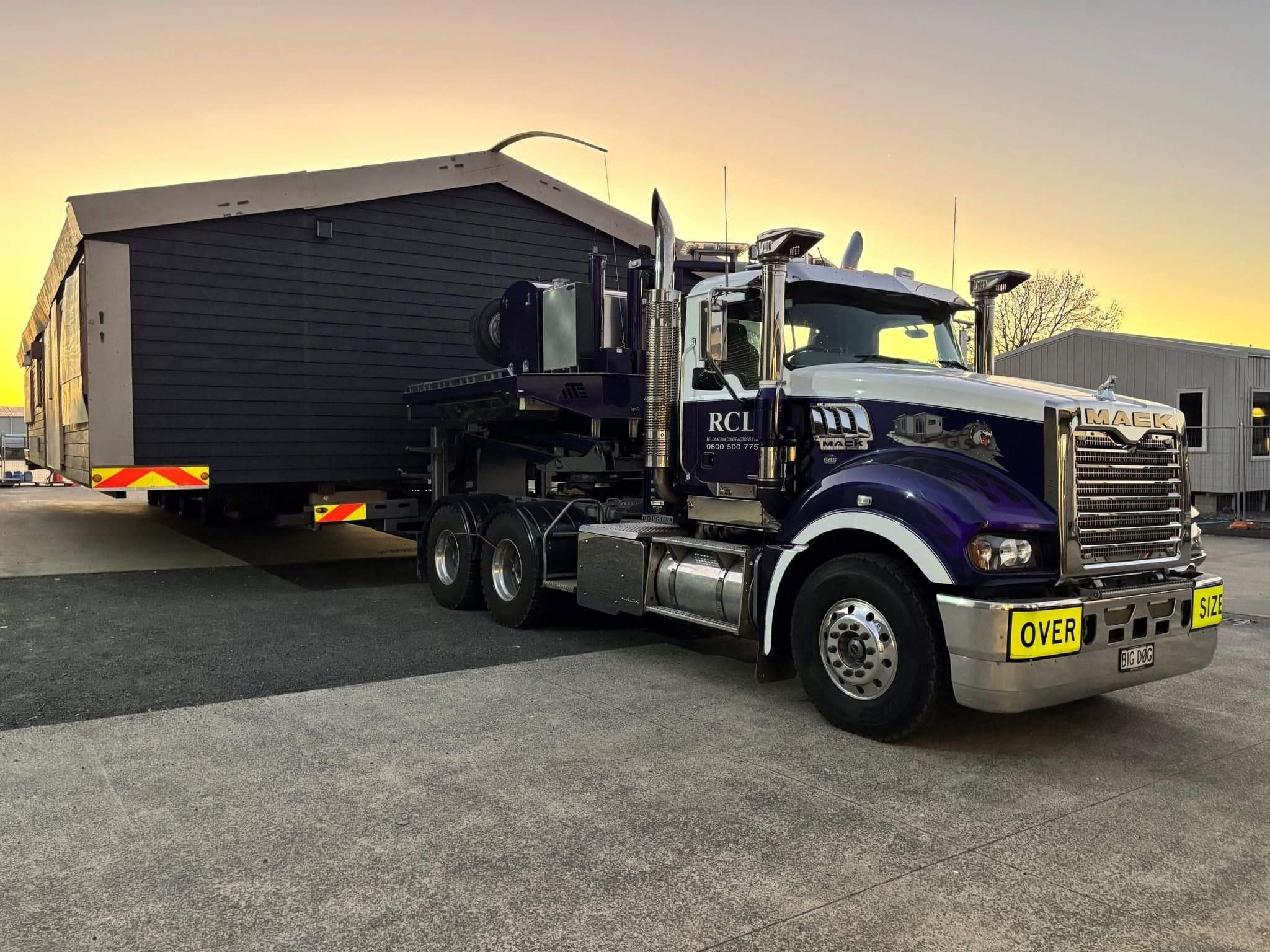
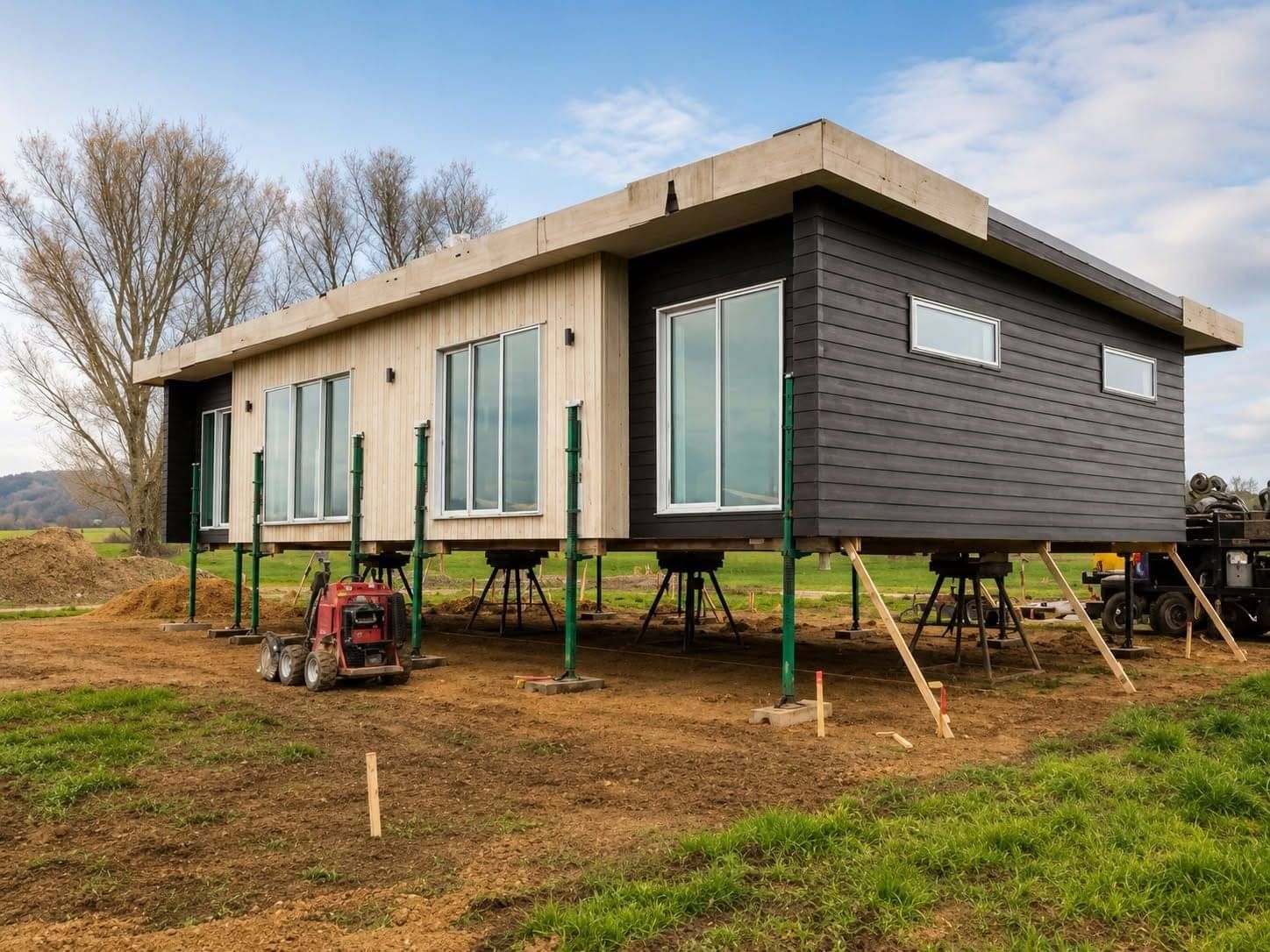
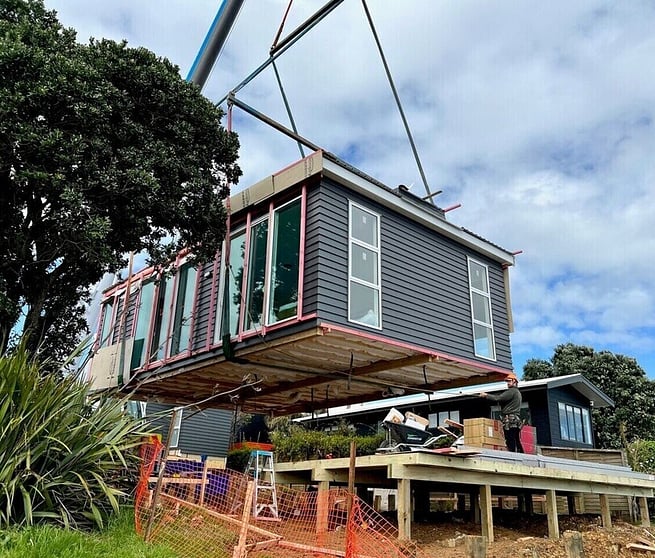
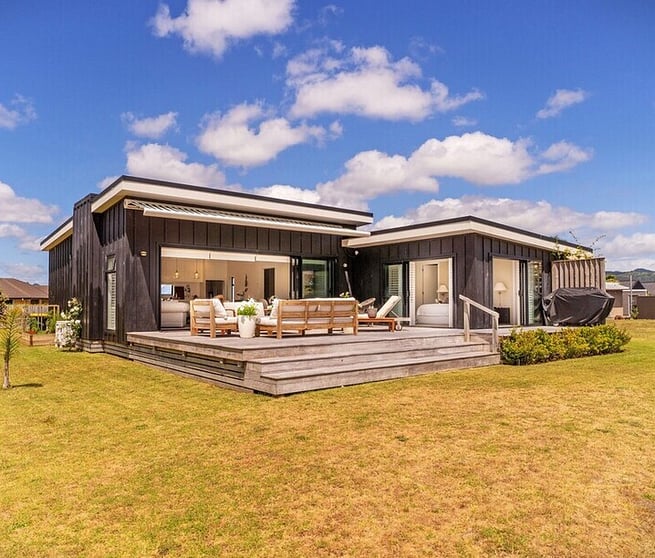
That said, modular does carry one real distinction worth understanding: it typically refers to homes built and delivered in multiple sections, or modules, that are joined on site - useful for larger footprints or two-storey builds that would be impractical to transport as a single piece. The 220m² Modular 2-Piece Relocatable Family Home we delivered in Tauranga is a good example - a large-scale family home built and delivered as two separate modules, then joined and finished on site.
If you're after a bigger floor plan than a single-piece transportable home comfortably allows, that's the scenario where "modular" stops being just a search term and starts describing an actual construction method you should be asking about directly.
Why the factory-build advantage matters more than the label
Whatever you call it, the core advantage is the same, and it's the one thing that genuinely separates factory-built homes from a traditional site build. As we put it internally: at Leisurecom, all of our builds are factory-built under shelter, ensuring no weather delays and better waste minimisation. Roughly 60% of new builds in NZ experience significant weather-related delays during construction - a factory build under a permanent roof sidesteps that entirely, along with the material waste that comes from an exposed onsite build site. That's true whether the finished home gets called transportable, modular, prefab or relocatable on the page you found it on.
When "relocatable" means something genuinely different
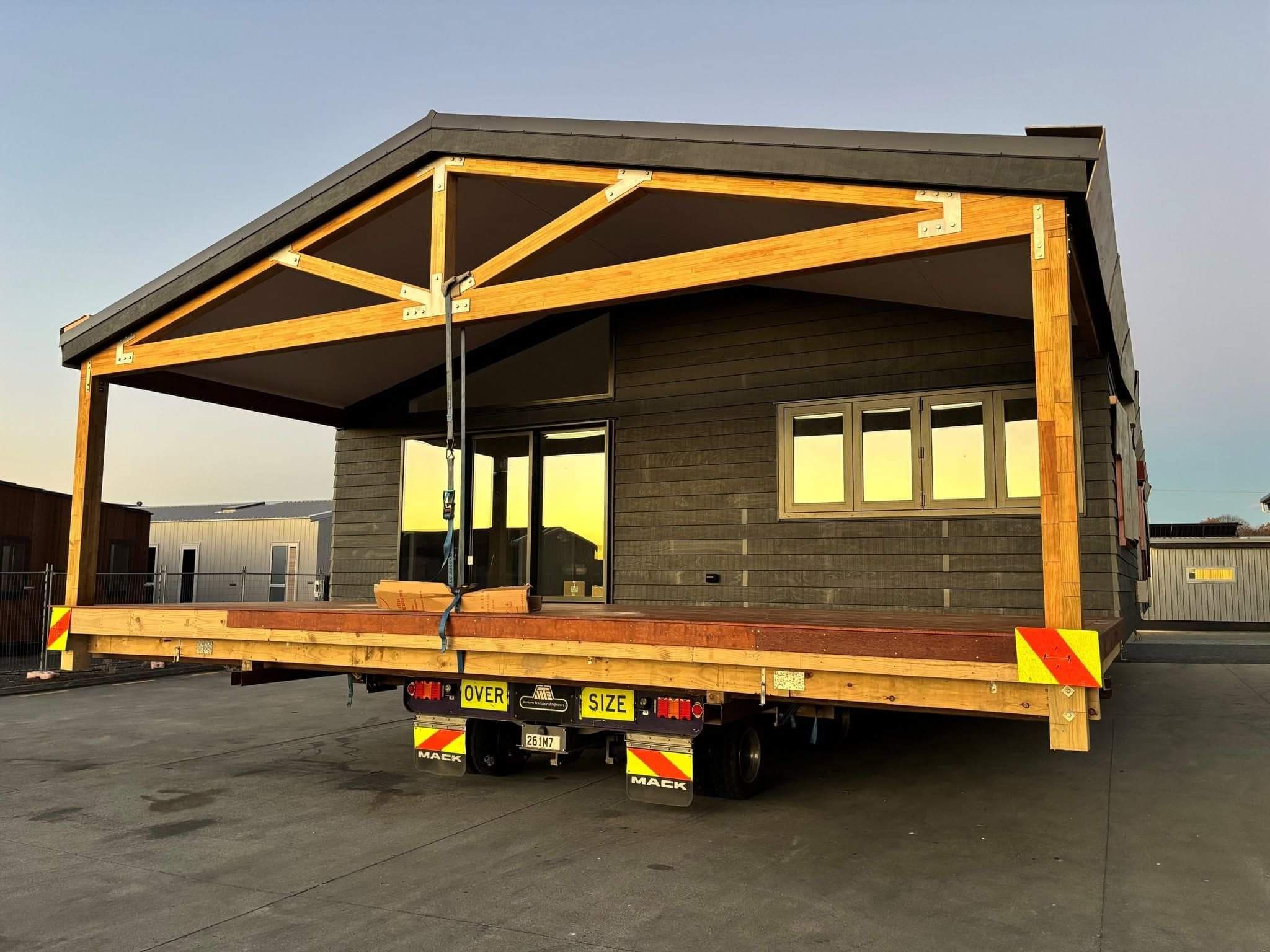
The one place the terms do split meaningfully is "relocatable" in its strictest sense - a home designed with the expectation it may be moved again in future, as opposed to a home delivered once and permanently sited. Both are built the same way in the factory; the difference is in site permanence, not construction method. If you're planning a home that might need to move with you - a lifestyle block you're leasing, for instance - that's worth raising directly rather than assuming it from the label.
What to ask before you commit to any of these terms
Ask whether the home is delivered as a single piece or in modules, and how many
If multi-module, ask how the join is finished and whether it affects layout or ceiling lines
Ask whether the home is being sited permanently or with future relocation in mind
Confirm the factory location and build process regardless of which term the listing uses
Ask what "modular," "prefab," "transportable" or "relocatable" specifically means for the home you're looking at - don't assume from the word alone
FAQs
Is a modular home the same as a transportable home in New Zealand?
At Leisurecom, yes, in the sense that both are factory-built under shelter and delivered to your site - the same construction philosophy and the same team, Robb Marston and Kevin Taylor through to site manager Murray Driver, working on both. The practical difference is usually delivery method: a transportable home typically arrives as one complete piece on a truck, while a modular home is often built and delivered in multiple sections that get joined on site - useful for larger homes like the 220m² two-piece build we delivered in Tauranga, where a single-piece delivery wasn't practical. If you're comparing modular homes NZ options against transportable ones, ask specifically how many pieces the home ships as and how the joins are finished, rather than assuming the terms mean fundamentally different products - for most buyers, they don't.
Which is better for a large family home: modular or transportable?
It depends on floor area more than preference. Single-piece transportable homes have practical size limits based on what can be safely trucked and craned onto a section. Once you're planning something larger - like a big four-bedroom family home - modular construction, delivered in two or more sections and joined on site, becomes the more practical route. That's exactly the scenario behind our 220m² Modular 2-Piece Relocatable Family Home in Tauranga: a large-scale family home that made more sense built and delivered in two pieces than attempted as one. If your plan is pushing past what a single-piece delivery comfortably handles, ask us directly whether a modular, multi-section approach suits your section better - it's a genuine construction decision, not just a different search term.
Does "prefab" mean lower quality than a traditional build?
No - this is one of the most persistent misconceptions in the market, and it's worth addressing directly. Prefab and traditional construction quality come down to build standards and materials, not the location where the walls go up. Factory-built construction under shelter, with no weather delays and better waste minimisation, that we build to, is arguably a quality advantage over onsite building, not a compromise. Every home leaves the Hannon Road factory in Cambridge built to the same specification whether it's marketed as prefab, transportable or modular. If quality is your concern, the more useful questions are about pile systems, specification level and finish standard - not whether the word "prefab" appears on the page.
Transportable Designs for Kiwi Terrain
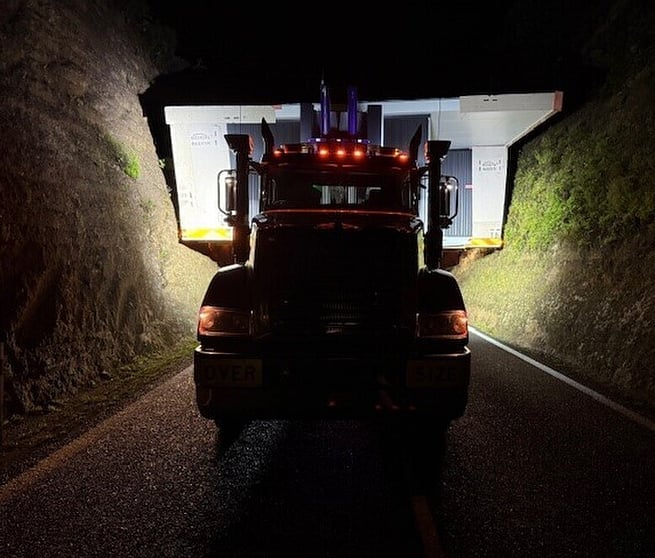
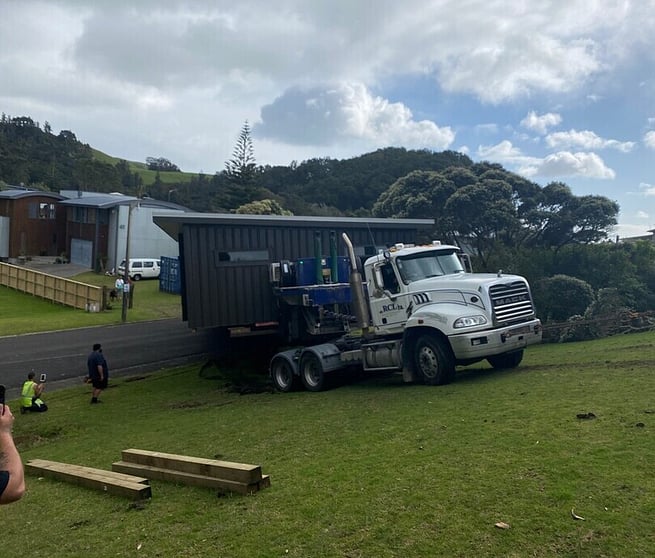
Our trucks and install crews are equipped for tricky terrain, and we’ll guide you on everything from site access to foundation prep.
Our House Plans
Find the design that ticks all the boxes
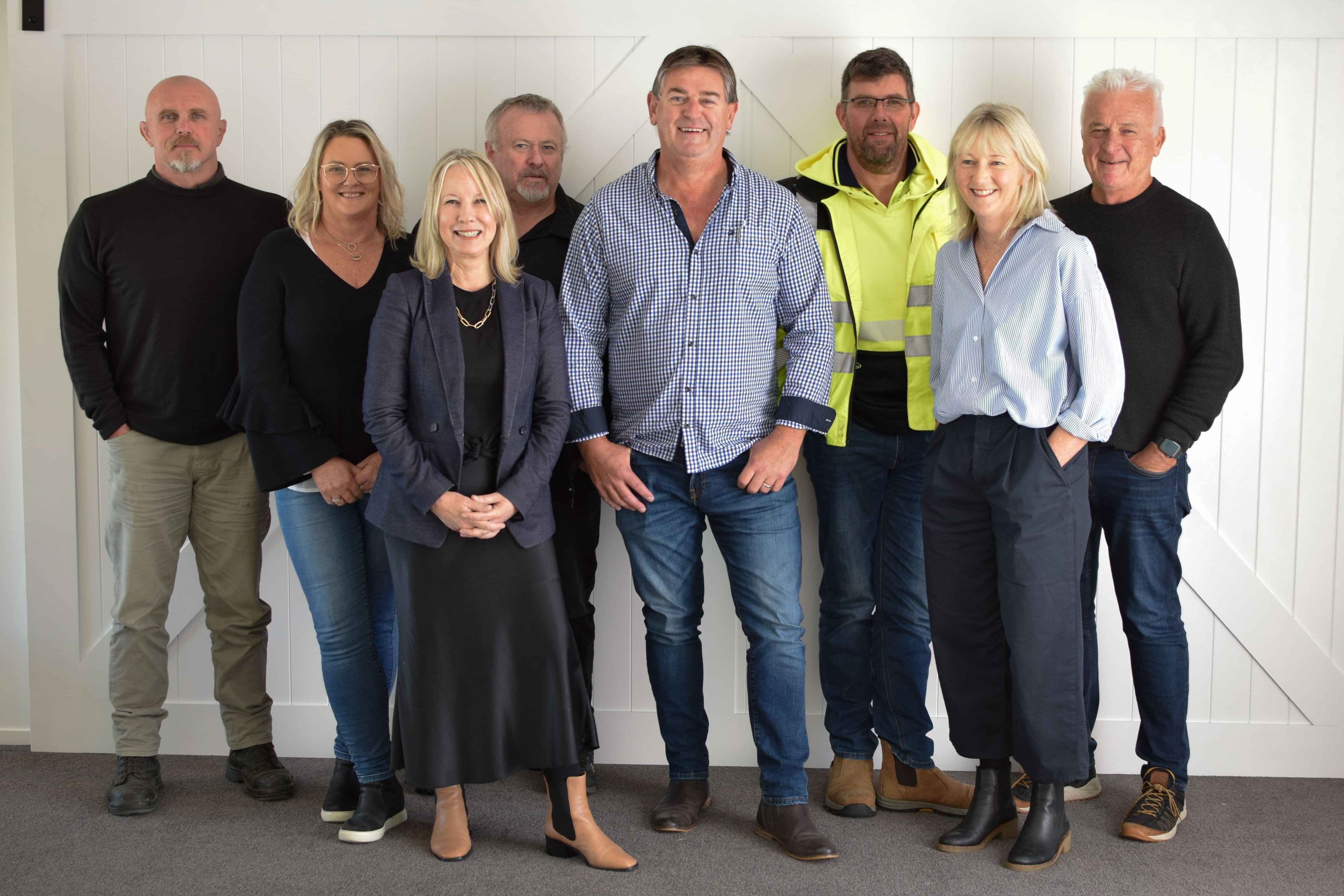
The team behind your Leisurecom home
Leisurecom’s team supports clients right through the process, from selecting a suitable plan through to the final stages that help make the home practical, comfortable, and ready for handover.


CONTACT US
OPENING HOURS
Monday to Friday: 8.30am to 5pm
Weekends By Appointment

